
| Home | Community | Message Board |
|
You are not signed in. |

This site includes paid links. Please support our sponsors.
|
 Threaded
 Previous
 Index
Index Next
NextShop:  All-In-One Bags That Don't Suck All-In-One Bags That Don't Suck  Bulk Cannabis Seeds Bulk Cannabis Seeds  Substrate Mix Substrate Mix  Bulk Substrate Bulk Substrate |
| |||
 Some of these posts are very old and might contain outdated information. You may wish to search for newer posts instead. Some of these posts are very old and might contain outdated information. You may wish to search for newer posts instead.
| |||
 FrankHorrigan FrankHorrigan The Inquisition    Registered: 01/04/11 Posts: 10,573 
|
| ||
|
TranscendingLife I Don't Need a Life to Live   Registered: 06/09/10 Posts: 21,627
|
| ||
|
FrankHorrigan The Inquisition Registered: 01/04/11 Posts: 10,573
|
| ||
 YungSupreme YungSupreme  Registered: 11/12/08 Posts: 54 Loc: c-springs,bama,v Last seen: 13 years, 6 months |
| ||
|
FrankHorrigan The Inquisition Registered: 01/04/11 Posts: 10,573
|
| ||
|
Blake_Shroom Stranger  Registered: 09/09/09 Posts: 1,070 Last seen: 3 years, 9 months |
| ||
FooMan   Registered: 02/02/05 Posts: 8,957 Loc: Earth 
|
| ||
|
BargainBab Hey Dere Ho Dere  Registered: 04/04/11 Posts: 1,178 Loc: Callisto Last seen: 12 years, 9 months |
| ||
|
FrankHorrigan The Inquisition Registered: 01/04/11 Posts: 10,573
|
| ||
|
billb The Wolf I Feed  Registered: 10/09/11 Posts: 1,040 Loc: Dancing with the Dead in my Dr... |
| ||
|
Montock Time = $ Registered: 08/27/09 Posts: 1,838 Last seen: 13 years, 4 months |
| ||
|
NineInchNails Stranger  Registered: 03/01/09 Posts: 1,190 Last seen: 6 months, 9 days |
| ||
|
FrankHorrigan The Inquisition Registered: 01/04/11 Posts: 10,573
|
| ||
|
NineInchNails Stranger Registered: 03/01/09 Posts: 1,190 Last seen: 6 months, 9 days |
| ||
|
Primal Call Earth Mage   Registered: 09/05/10 Posts: 2,766 Loc: Here until here Last seen: 6 years, 9 months |
| ||
|
Montock Time = $ Registered: 08/27/09 Posts: 1,838 Last seen: 13 years, 4 months |
| ||
|
elkart Mushroom Servant  Registered: 01/28/12 Posts: 1,170 Last seen: 6 years, 10 months |
| ||
|
elkart Mushroom Servant Registered: 01/28/12 Posts: 1,170 Last seen: 6 years, 10 months |
| ||
|
k00laid NEMO  Registered: 05/03/10 Posts: 19,636 Last seen: 3 years, 28 days |
| ||
|
FrankHorrigan The Inquisition Registered: 01/04/11 Posts: 10,573
|
| ||
| |||


 Edit
Edit  Reply
Reply 


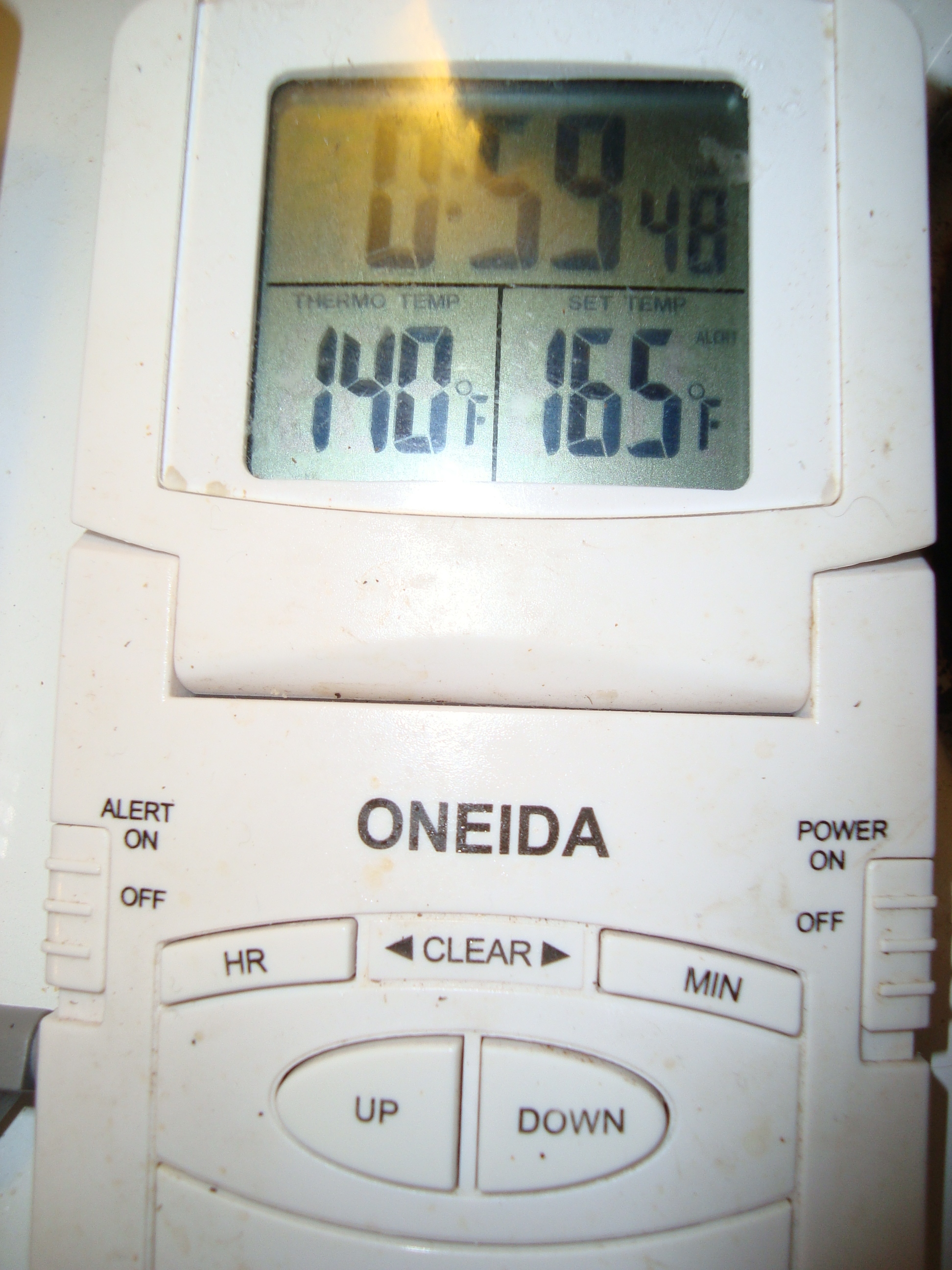
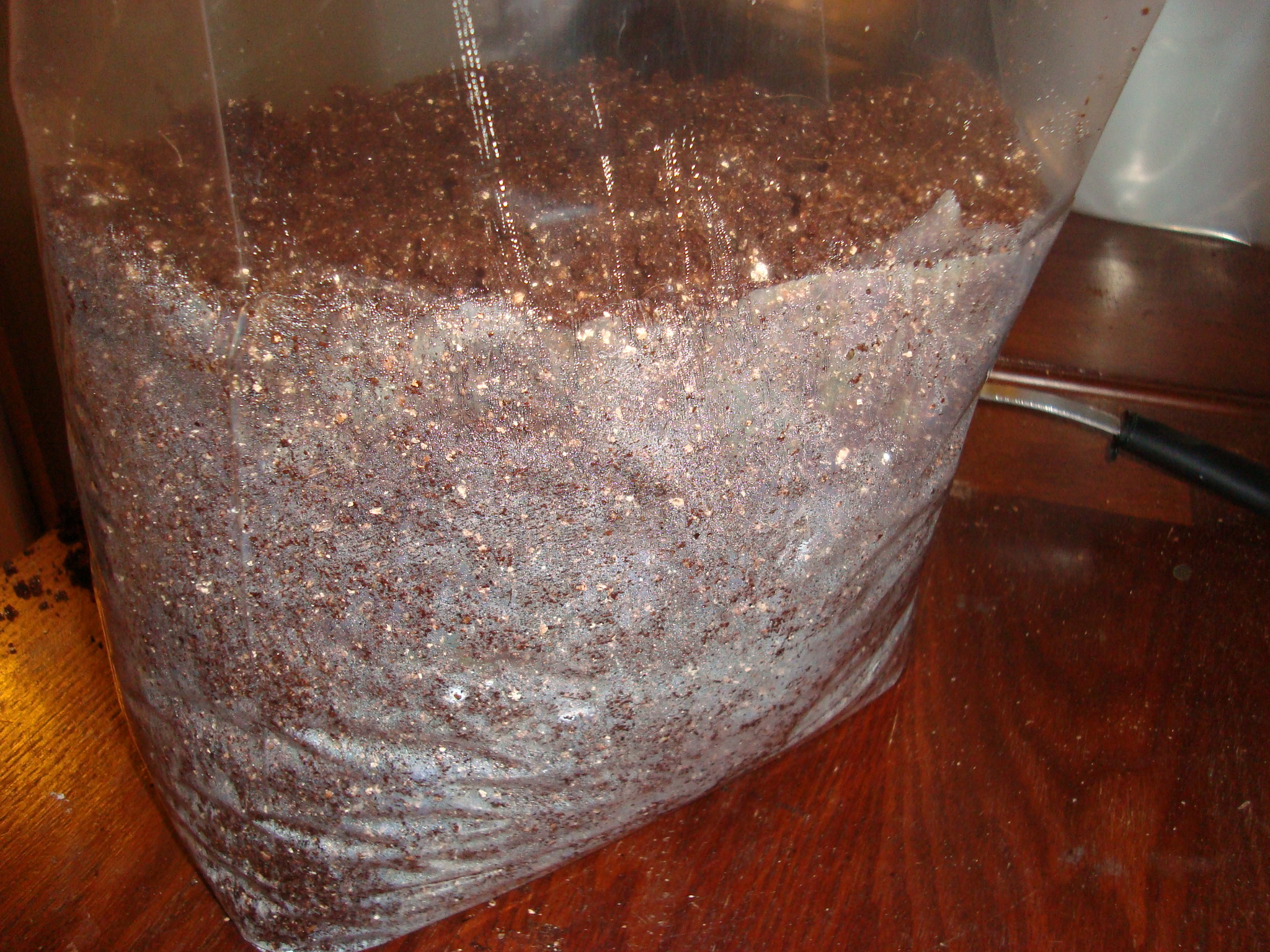


 Please go back to jars. I mean, really? Washing jars is too much work for you?


| Shop: All-In-One Bags That Don't Suck Bulk Cannabis Seeds Substrate Mix Bulk Substrate |
|
| Similar Threads | Poster | Views | Replies | Last post | ||
 |
 |
Oven-Bag Pasteurization "Tek" Pictorial |  angryshroom angryshroom |
22,437 | 8 | 04/02/03 09:16 AM by pillsbury420 |
|
 |
Human Shit Tek? LOL (  1 2 3 all ) 1 2 3 all ) |
 Trail_Blazer Trail_Blazer |
7,465 | 51 | 10/18/17 11:33 PM by Citric |
|
 |
Preserving pasteurized poo, is it possible?? |  Visigoth Visigoth |
1,966 | 5 | 11/15/02 01:54 AM by XiC_clone |
|
 |
Which method of pasteurization do you experts recommend? |  Nickster_154371 Nickster_154371 |
1,675 | 11 | 05/06/04 12:28 AM by t3knology |
|
 |
Dung sterilization / pasteurization |  zeta zeta |
4,062 | 10 | 06/12/13 09:42 AM by TheLoopIs |
|
 |
Any other way to starile my straw than on stove? ( 1 2 all ) |
 SolarFlare SolarFlare |
2,081 | 28 | 09/17/03 04:18 PM by shirley knott |
|
 |
Should I Sterilize my casing or Pasteurize it?? | Gthirteens |
1,204 | 3 | 02/01/03 01:20 AM by Anno |
|
|
Outdoor Tek |  JazzMatazz JazzMatazz |
4,849 | 13 | 01/26/03 08:44 AM by JazzMatazz |
| Extra information | ||
| You cannot start new topics / You cannot reply to topics HTML is disabled / BBCode is enabled Moderator: Shroomism, george castanza, RogerRabbit, veggie, mushboy, fahtster, the_chosen_one, LogicaL Chaos, 13shrooms, hamloaf, cronicr, Stipe-n Cap, Pastywhyte, bodhisatta, Tormato, Land Trout, A.k.a 194,719 topic views. 14 members, 850 guests and 116 web crawlers are browsing this forum. [ Show Images Only | Sort by Score | Print Topic ] | ||