
| Home | Community | Message Board |
|
You are not signed in. |

This site includes paid links. Please support our sponsors.
|
 Threaded
 Previous
 Index
 Next
Shop:  Bulk Substrate  Substrate Mix  Certified Organic All-In-One Grow Bags  Isolated Cubensis Liquid Culture For Sale |
| |||
 Mackload Bungler    Registered: 11/14/23  Posts: 4,266 Loc: No0b purgatory Last seen: 10 hours, 36 minutes |
| ||
|
ghiajake Myco-Viking  Registered: 01/10/13 Posts: 4,132 Loc: Indiana Last seen: 8 hours, 18 minutes 
|
| ||
|
Anomalocaris Stranger  Registered: 12/03/20 Posts: 558 Last seen: 6 hours, 20 minutes |
| ||
|
Deep Space Journeyman Registered: 08/01/26 Posts: 32 Last seen: 27 minutes, 50 seconds |
| ||
|
HippieSippinTea Stranger  Registered: 11/08/26 Posts: 17 Last seen: 8 hours, 11 minutes |
| ||
|
Anomalocaris Stranger Registered: 12/03/20 Posts: 558 Last seen: 6 hours, 20 minutes |
| ||
|
Deep Space Journeyman Registered: 08/01/26 Posts: 32 Last seen: 27 minutes, 50 seconds |
| ||
|
HippieSippinTea Stranger Registered: 11/08/26 Posts: 17 Last seen: 8 hours, 11 minutes |
| ||
|
PuffM4gicDr4gon Professional Coir Waster    Registered: 06/09/11 Posts: 2,881 Loc: The Land of Honnalee Last seen: 1 hour, 4 minutes |
| ||
|
Deep Space Journeyman Registered: 08/01/26 Posts: 32 Last seen: 27 minutes, 50 seconds |
| ||
|
JoeTherapist Social Scientist— ish  Registered: 05/14/26 Posts: 274 Loc: Snow capped mountain Last seen: 5 hours, 51 minutes |
| ||
 fahtster  Now With 33%More Faht  Registered: 06/17/06 Posts: 10,939

|
| ||
|
Deep Space Journeyman Registered: 08/01/26 Posts: 32 Last seen: 27 minutes, 50 seconds |
| ||
 Kloakk  Strange  Registered: 10/21/24 Posts: 6,454 Loc: Scandinavia Last seen: 1 minute, 11 seconds
|
| ||
|
fahtster Now With 33%More Faht Registered: 06/17/06 Posts: 10,939
|
| ||
|
Dala Rad Visuospatial Sketchpad  Registered: 11/23/08 Posts: 3,013 Loc: Caddy-Corner to Quality
|
| ||
|
PuffM4gicDr4gon Professional Coir Waster Registered: 06/09/11 Posts: 2,881 Loc: The Land of Honnalee Last seen: 1 hour, 4 minutes |
| ||
|
Kloakk Strange Registered: 10/21/24 Posts: 6,454 Loc: Scandinavia Last seen: 1 minute, 11 seconds
|
| ||
| |||


 [Re:
 Edit
 Reply


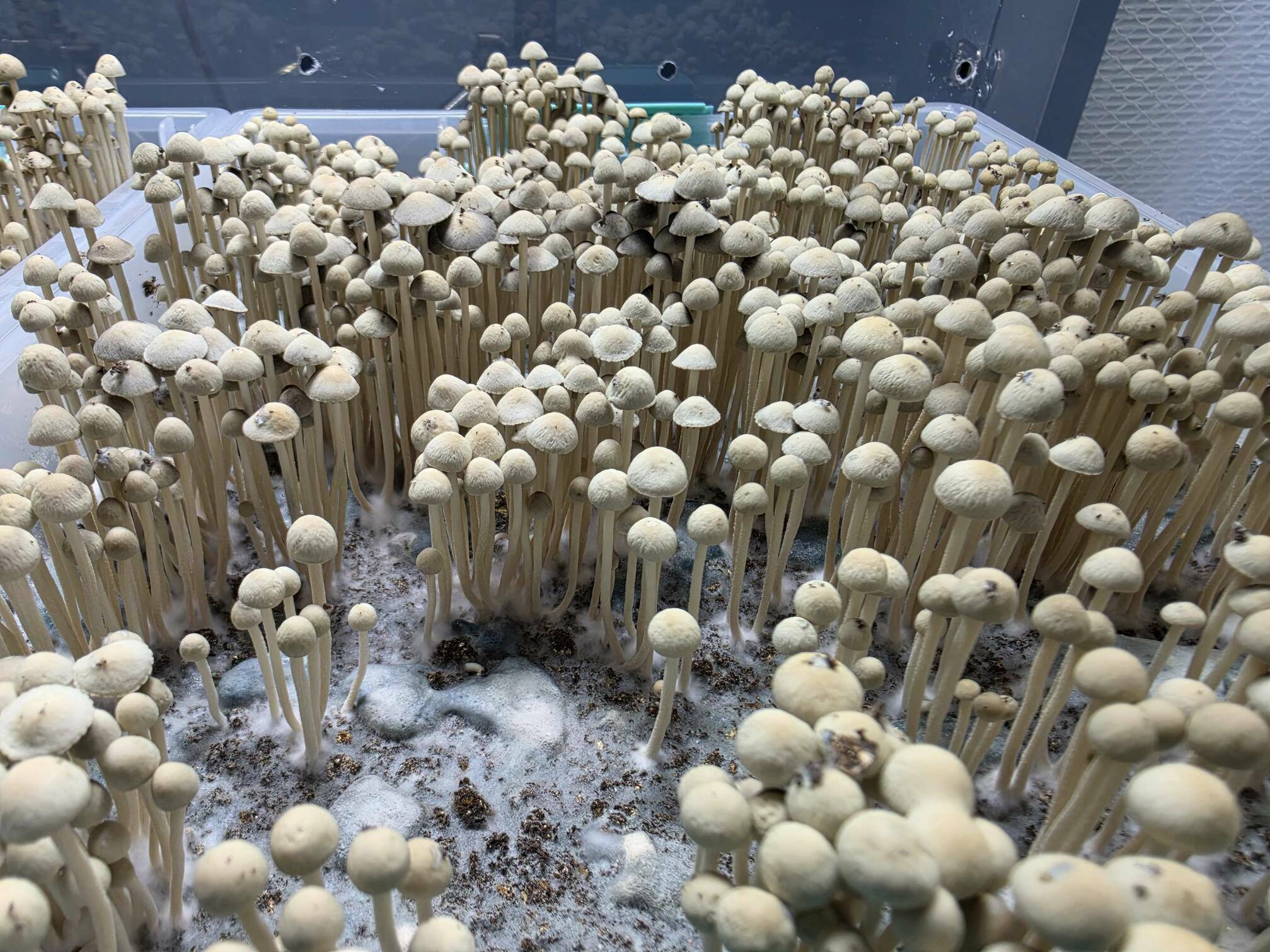


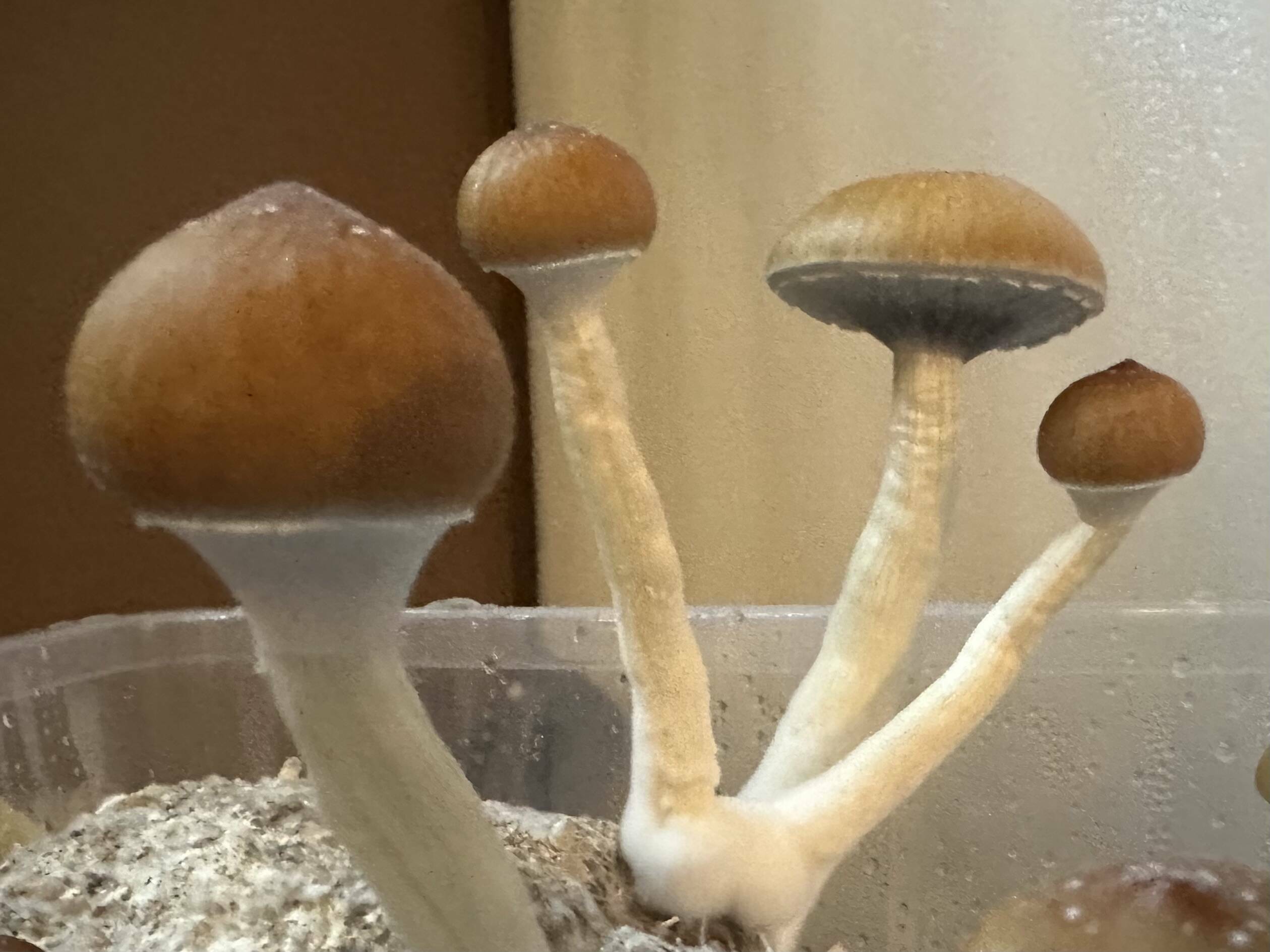
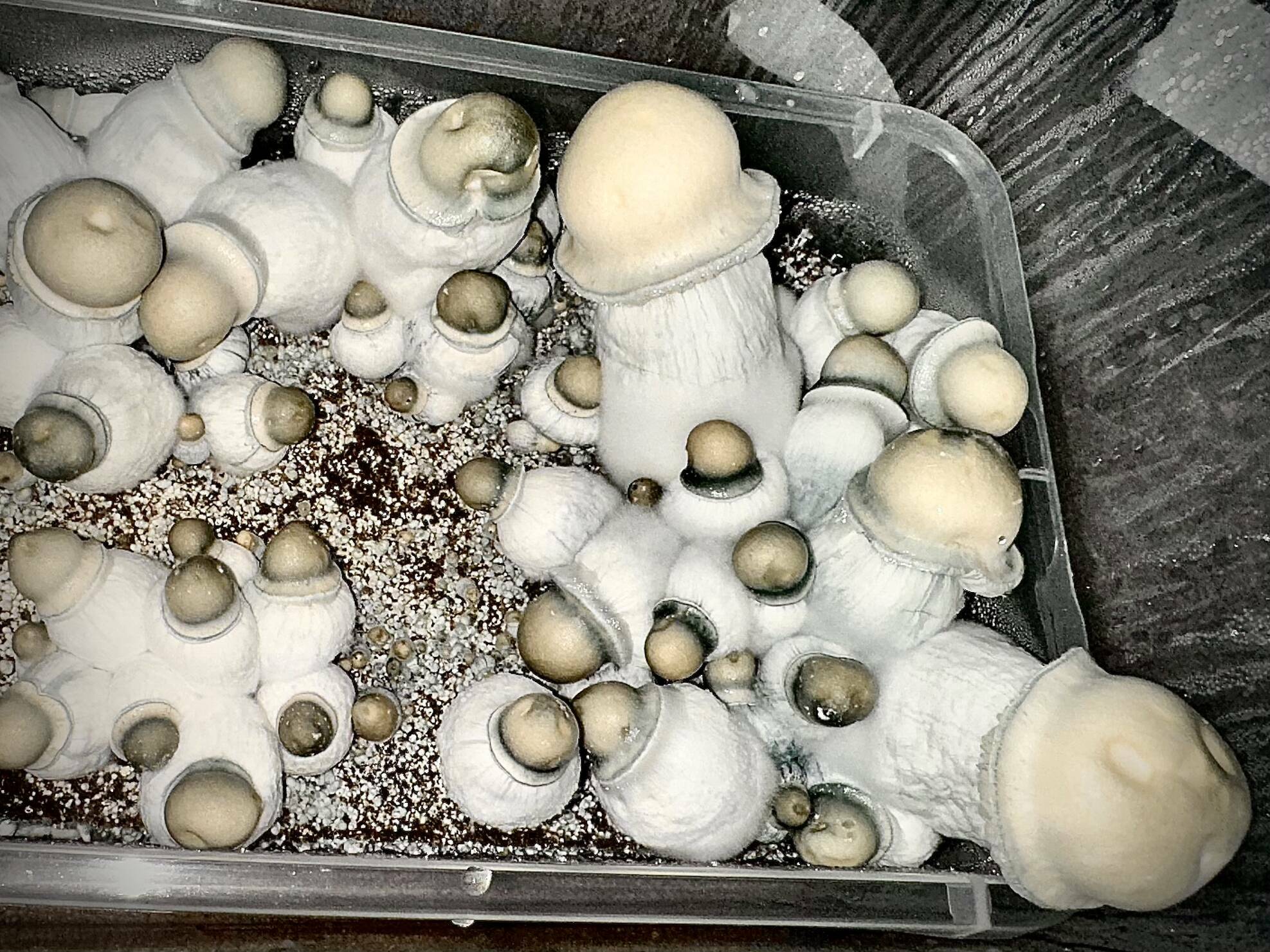


| Shop: Bulk Substrate Substrate Mix Certified Organic All-In-One Grow Bags Isolated Cubensis Liquid Culture For Sale |
|
| Similar Threads | Poster | Views | Replies | Last post | ||
 |
 |
Official Psilocybe zapotecorum thread (  1 2 3 4 ... 91 92 ) |
 Hindsight |
88,916 | 1,833 | 11/13/26 05:34 PM by GlitchInSpace |
|
 |
Official Psilocybe serbica thread ( 1 2 3 4 5 all ) |
 Bra |
9,506 | 96 | 11/12/26 04:42 AM by Bra |
|
 |
The Official Wild Cubensis Thread ( 1 2 3 4 5 6 7 8 all ) |
 Huskies |
20,027 | 141 | 11/08/26 04:54 PM by Huskies |
|
|
Alcohol-sprayed glovebox: how to sterilize scalpel? |  vzalkaloid |
4,250 | 3 | 07/14/03 03:14 PM by vzalkaloid |
|
|
Chunk of cake dislodged |  alCAPone |
485 | 9 | 11/13/08 11:33 AM by alCAPone |
|
|
Rye-Z-Morph Bag for Panaeolus (Copelandia) Cyanescens? | rob_531 |
4,771 | 12 | 01/10/05 02:33 PM by agar |
|
 |
sterilizing vakuum sealed scalpell/inoculation loop ... |  ohmatic |
1,355 | 2 | 12/12/04 12:34 PM by ohmatic |
|
|
Copelandia "Pan" Cyanescens |  sancho |
5,514 | 6 | 09/07/07 12:00 PM by suave |
| Extra information | ||
| You cannot start new topics / You cannot reply to topics HTML is disabled / BBCode is enabled Moderator: DERRAYLD, Shroomism, george castanza, RogerRabbit, veggie, mushboy, fahtster, the_chosen_one, LogicaL Chaos, 13shrooms, hamloaf, cronicr, Stipe-n Cap, Pastywhyte, bodhisatta, Tormato, Land Trout, A.k.a 1,344,994 topic views. 4 members, 372 guests and 236 web crawlers are browsing this forum. [ Show Images Only | Sort by Score | Print Topic ] | ||