
| Home | Community | Message Board |
|
You are not signed in. Sign In New Account | Forum Index Search Posts Trusted Vendors Highlights Galleries FAQ User List Chat Store Random Growery » |
This site includes paid links. Please support our sponsors.
|
 Threaded
 Previous
 Index
 Next


| |||||||
 nektar61  Just a smear in the shale    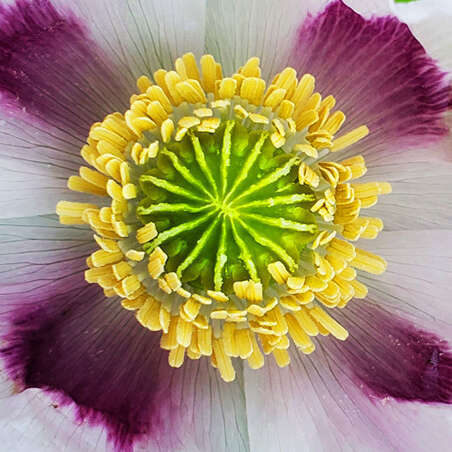  Registered: 07/04/20 Posts: 4,612 Loc: Hollywoo 
Last seen: 22 hours, 50 minutes |
| ||||||
Auto-SummaryIn this comprehensive guide, user nektar61 provides a detailed instructional overview for cultivating Papaver somniferum, commonly known as the opium poppy. The post covers essential gardening stages, beginning with seed selection and the necessity of cold stratification to mimic winter. The author offers practical advice on planting techniques, such as surface sowing to avoid burial and using netting or river rocks to protect seeds from birds. Detailed maintenance instructions follow, including soil composition, thinning practices, watering schedules, and the benefits of selective breeding through manual cross-pollination. Additionally, the author explains how to harvest and store massive quantities of seeds using silica gel for preservation. While the post concludes with a highly cautious discussion on preparing poppy tea, the author emphasizes the significant safety risks and potential for dependency, repeatedly advising readers against consumption. Ultimately, the post serves as a thorough horticultural resource for enthusiasts interested in the lifecycle and management of various poppy varieties. By Nektar61. For species: Papaver somniferum. (Opium Poppy) All the different colored flowers here that I grew are that same species.  (Reprint of one of my journal entries. I'm posting here since it looks like there hasn't been an updated on this for about 10 years.)    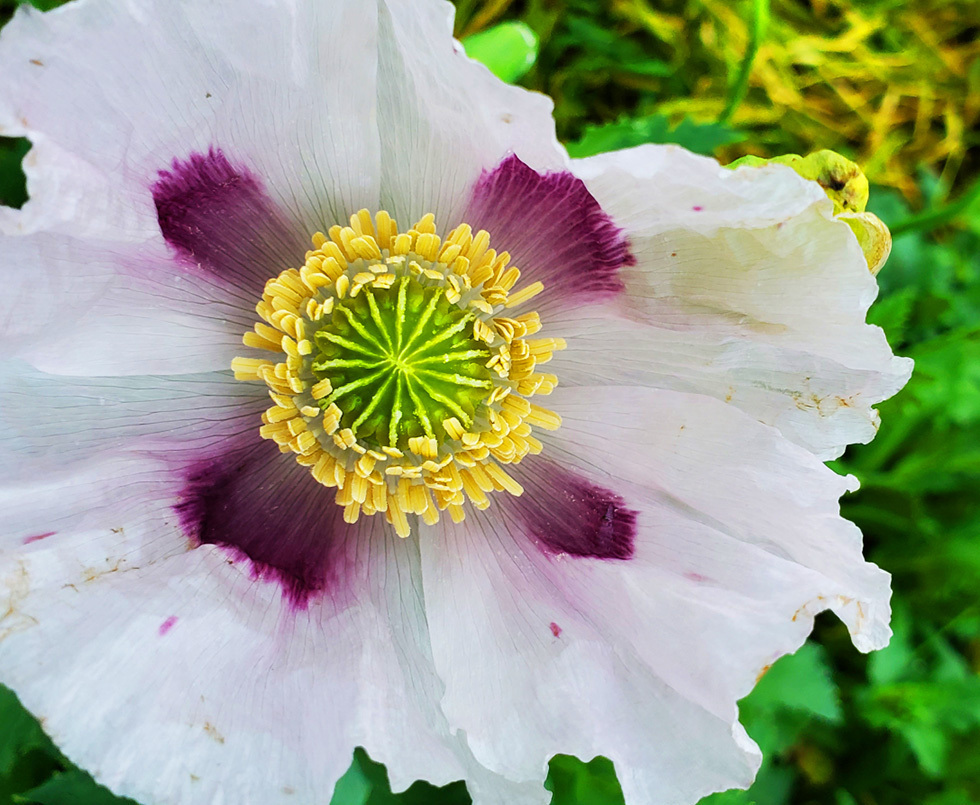 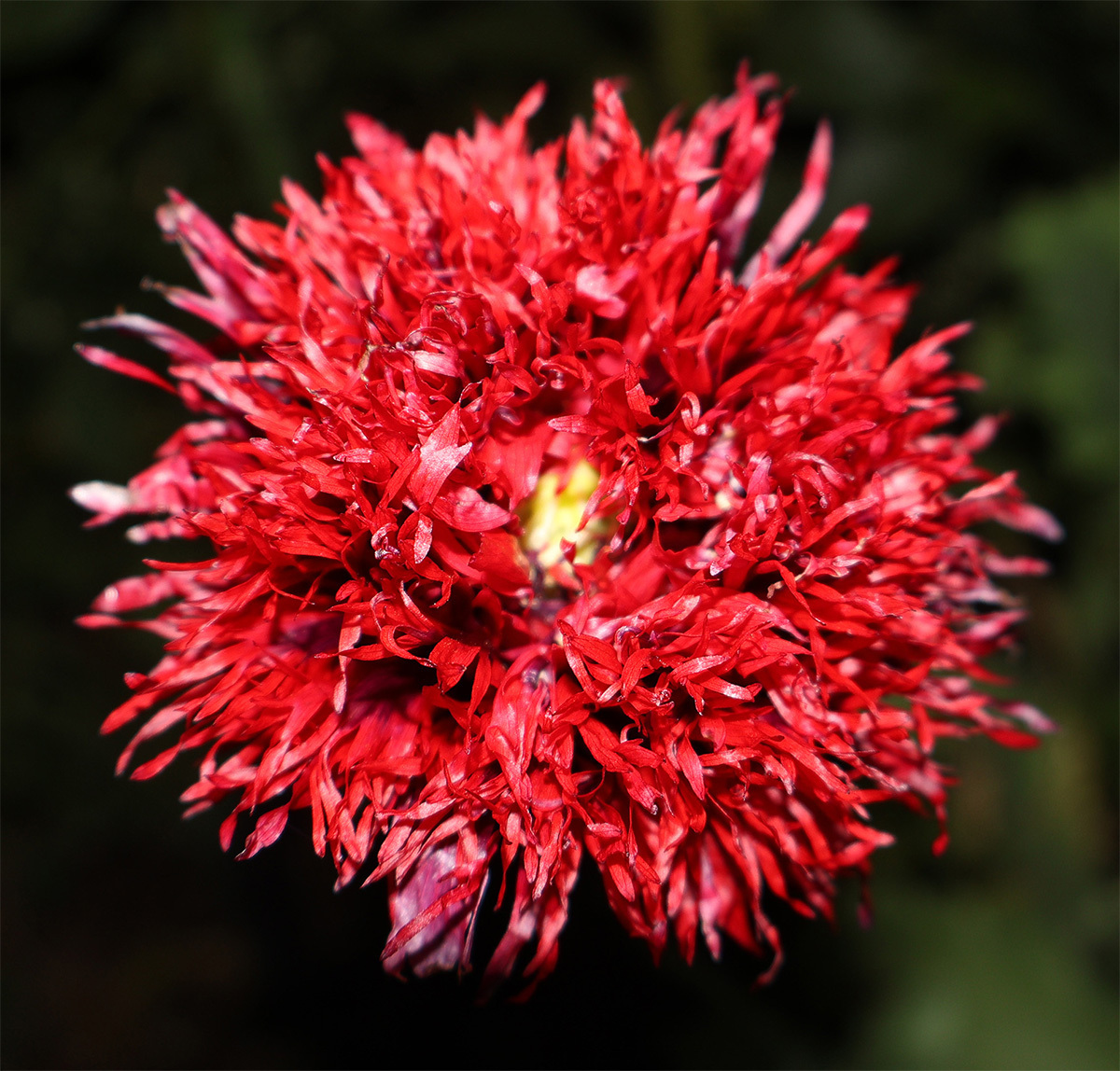      Varieties I've grown that I love: Lauren's Grape, Queens Poppy, Afghan Izmir, Dutch Buddha. Also good ones I've grown and liked: Hens and Chicks, Black Swan, Black Peony. I've heard these are great but haven't grown them yet: Hindi Queen (Rani), Tasmanian pre-2009, Burma DS, Afghan, Stoker's Blue Odyssey. There are a lot of scammers on eBay and Etsy selling ordinary grocery store condiment aisle poppy seeds as these seeds. Better is actual garden stores that sell ALL seeds, not just poppies. Also the Hippie Starfish Honey lady is great. Some varieties you can get from a normal seed supply place that sells all kinds of seeds, not just stoner seeds. Two you'll find everywhere are Laruen's Grape (excellent) and Hens & Chicks (good, and have mutant "chicks" pods, so more pod material than some poppies.) Don't ask any seed sellers "Will this get me high?" or even say that in code. They're likely to not do business with you to protect themselves, even if they like that kind of thing. HOW TO GROW POPPIES COLD STRAT Poppies need to be cold stratified (to imitate winter to get the seeds ready to grow) Either sprinkle them on the ground in the winter right before a snow (to keep birds off them), or put them in the fridge (not freezer!), dry, over winter, or for at least a month. Planting them on river rock (large gravel, about an inch or two big) with no barrier underneath in winter is a good plan, if you have that. The rocks will keep birds from eating them all, and just enough Sun will hit the plants per day in the Spring to wake the seeds and get them to grow high enough to get more Sun. If you don't have that, keep them dry in the fridge over winter, then plant them early in the spring. Plant where they'll grow, they don't transplant well. If you must transplant, start them in those little peat pots that you can later put in the ground without removing the small plant. ON SOIL, NOT UNDER SOIL Poppy seeds need to be ON the soil, not under it like some seeds, and not on top of leaves or mulch. spread them on the soil and give a good soaking to sort of blend with the water halfway into the soil, but still with some of the seed out to touch the sunlight. Birds will try to eat them. Think how tasty they are to us on bagels. So stretch out gardening netting a couple inches above them. Remove that when they're about 2 inches tall. Birds won't mess with it, for fear of getting trapped. You don't need this if you plant in river rock. If you're worried about your planted seeds getting carried away by ants, sprinkle a tiny bit of diatomaceous earth around the planting. You don't need much, just a pinch here and there. Don't breathe it, it's a fine rocky powder and will irritate your lungs, I'd wear a mask while using it. Diatomaceous earth doesn't work when wet, so you may have to reapply it to keep ants away until your pops sprout. If you have cats, they'll deal with mice and rats. If you pee near your poppy plants, it will sort of "mark them" as yours to wild animals, who may be less likely to come near them. Plant in good soil that has a some loam and some sand. If in pots, put some course pumice or gravel and screen in the bottom so water doesn't wash the dirt out. Potting soil works great. They can grow in partial sun, or Sun for half the day or more, but do best in all day sun. They do much better in the ground outside than in pots outside, and better in pots outside than in pots inside. BEST to WORST: -In ground outside -In pots outside -In pots inside. Poppies grow like weeds (in a good way) in the ground, outside. Growing in pots can be a last resort for people living in apartments. I grow both sometimes, a small patch in the ground, but also some plastic flower pots. The rest of my ground is so rocky it would take a tractor to make it plantable. Using pots just increases the number of plants I can grow. But for sure, poppies grow much better in the ground. You can use a TINY bit of fertilizer, Miracle-Gro Shake 'n Feed is great. Put it lightly (as shown on the bottle) 1.5 inches from the top of the soil, then put more soil on top. They don't need it to start, potting soil has enough nutrients to start plants. They should only get it once they grow a bit. Don't use too much. Remember, it will feed weeds too. I also give them a watering with diluted Cal-Mag (follow directions on the bottle) at 2 weeks, 4 weeks, 2 months, and 3 months. No more than that. All that said, poppies can grow fine in good dirt with no additives. Or even bad dirt. But good dirt, or dirt with a little NPK fert (fertilizer) is better. Not too much fert, it will kill them or make them weak. If using pots, keep an inch or two of space at the top so water won't run the soil (or seeds) off. The plants need to be thinned once they start growing. It's fine to plant more than you'll need, having a lot will help prepare the soil with hormones and signal chemicals to get them to grow. Thin them to about 1 or 2 plants per gallon of dirt, max. If outside, give them 6 to 12 inches between plants. If you plant too many (or plant too late in the year) you'll end up with a lot of tiny plants (as short as a foot or less) with tiny pods that won't "perform" as you want. Opium poppies can sprout in anywhere from 3 days to 28 days. Usually around 7 to 10 days. This photo is opium poppy sprouts, about a week after coming out of the ground. They're about a half inch high (1 cm)  This pic is at one month, it's 3 inches across (about 7 cm). These I planted from seed in an abandoned lot.  Note in this photo there's a smaller plant right under the poppy, on the bottom of image. That's a dandelion weed sprout. Note the dandelion is greenish, and the poppy is blue green with a powdery look. Once you recognize the color or poppy plants, starting at about 2 weeks, they jump out at you visually, even when growing with a lot of other plants. Fewer, bigger plants is better than lots of plants too close, which makes tiny weak plants. If they have enough room, they can get to 3 to 6 feet depending on the variety, and how much sun they get. Poppies grow fairly slowly in height for the first 2/3 of their grow season, then grow a lot in the last 1/3. Weed them as needed. Grab weeds at the base with one hand and pull with the other so you don't pull any good plants out, or any of their root. It helps if you weed after watering, the water makes the weed roots easier to pull out. When the plants are starting out, the first few weeks, at one point they'll fall over and look like they're dying, but that's part of the process. They will go upright soon. Keep them damp until they're 2 inches tall, then cut back. Don't let them dry out but they don't like soaked roots. Best to water a lot, soak them, then let them get a little dry. 2 to 6 days, depending on weather. To tell poppies from weeds when they're small, so you can pull the weeds, note in all the photos here that the poppies are slightly blue green, not just green. I can tell poppies from a bunch of weeds at a glance now, just from that color difference. If you grow them outside, even in pots, you'll end up with some "volunteers" the next year, as wind, birds and insects move the seeds. If you plant too many in a pot, you may need to water daily the last month, or they'll wilt. If they wilt and you water them, if they're healthy they'll start righting themselves in an hour and be fully right in 8 hours. They take about 4 months from seed to the pods being making new seeds.  Nearly 2 quarts of poppy seeds from this year's garden. There are 191,000 to 210,000 seeds per ounce of poppy seeds. Note that viable opium poppy seeds from different varieties can be different colors. Black, brown, tan, gray, all are seen in the mixed jar on the left here. I've heard they can be red too, but I've never seen it.  Hens & Chicks poppy seeds under my microscope SAVING SEEDS Don't forget to save seeds! I never slice these pods after the flowers drop, I let them go all the way until they are brown.  As to slicing, first of all, if that's seen, you can get busted. If you don't slice them, you're just growing flowers (I recommend you grow other flowers with them too, to be less obvious, and just because flowers are fun) The whole plant contains alkaloids. Pods most, stems second most (especially near the pod), and leaves least. 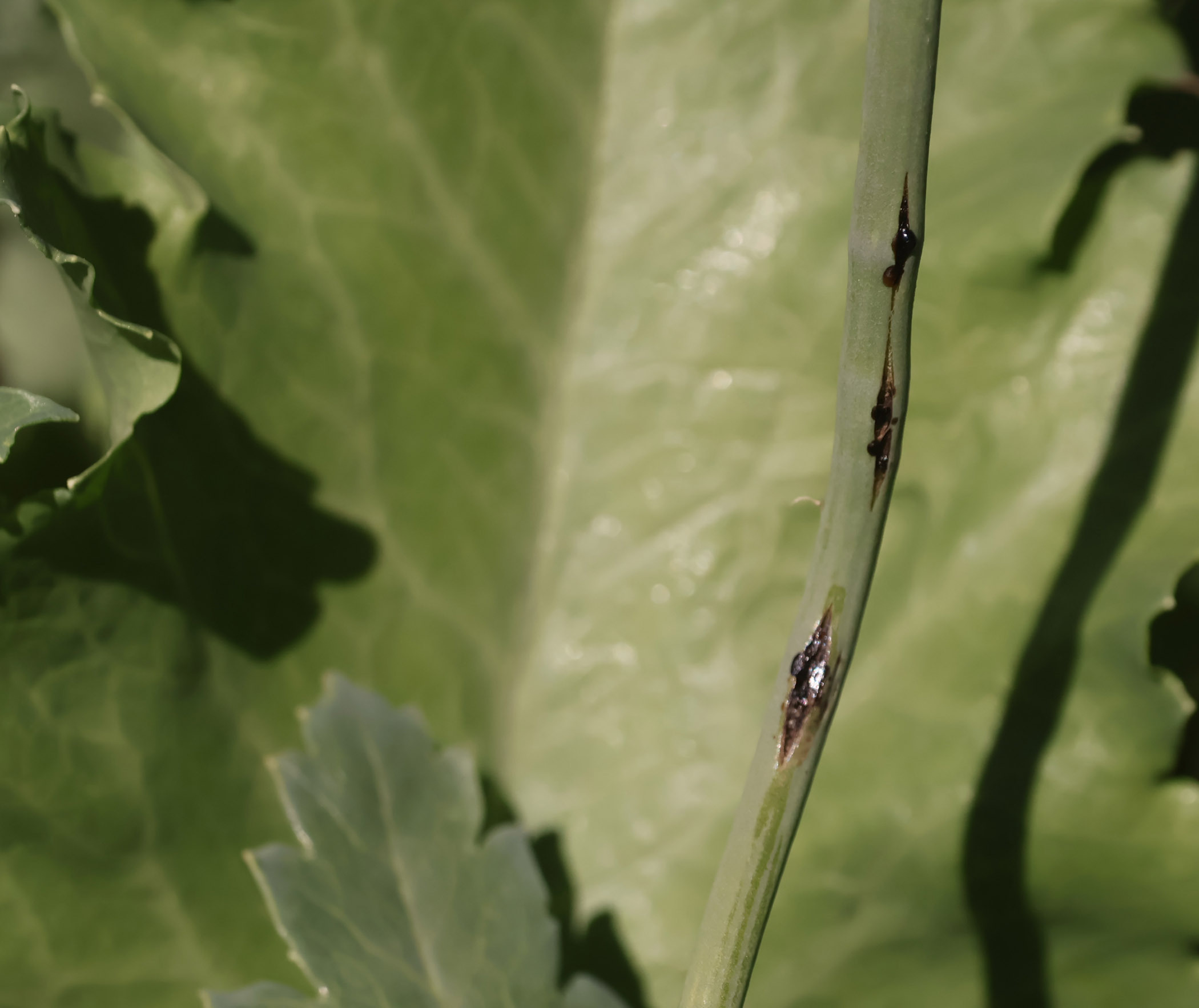 Poppy stem oozing black. Open this image up big and look closely at the top plant wound of the 3 breaks in the stem here Don't bother with roots. And the seeds have only trace. Not enough to get high, but enough to set off sensitive drug tests, which is why if you're going to be drug tested, you're told not to eat poppy seed bagels. Yes, it's the same species, but those are cultivated to have even less than the little bit in your seeds. Keep seeds from what you grow for for growing and sharing. The opium poppy is an annual, so it needs to be re-planting each year, though some will self-seed. The test to see if the seeds are ready is pinch a pod. It should not yield at all. It should feel like wood, not green. Don't let them go too long though, wind and birds can open them and remove the seeds. I basically harvest pods every few days for a month each season. Not all pods rattle, but if a poppy seed pod is brown and sounds like a baby rattle when you shake it, that one is done. Letting the pods go until brown is also better. You'll get more alkaloids than with slicing, and you'll also get more of the good stuff and less of the ones that make you sick. Time lets the poppies use enzymes to turn trace toxic thebaine into lovely morphine. Commercial pharmaceutical poppy fields grown legally don't have people out slicing seed pods. That's a third-world thing where labor is cheap and farm equipment is unavailable. Commercial pharmaceutical poppy fields are allowed to go until brown. Then the whole plant is harvested with tractors, and the whole plants are processed to extract what they want. Pick those pods, crack them open over a bowl. Save the seeds, sieve them to get out the plant matter you don't like, then store them in a mason jar with some little muslin bags of silica gel. Dry them, then use fresh bags to store then in the fridge over the winter. Don't use heat to dry them. Use Silica gel to seeds in a weight ratio of 4:1 weight (4 ounces of seed to every 1 ounce of silica) to dry them for a couple weeks in sealed Mason jars before the fridge. Then throw out those bags and put in new ones at 10:1 (10 ounces of seed to every 1 ounce of silica) with the seeds in Mason jars to store over winter in the fridge (not freezer!) Poppies produce a LOT of seeds. You can turn a teaspoon of seeds into pounds of seeds in one season. There are 191,000 to 210,000 seeds per ounce of poppy seeds. Seeds from a small patch can weigh well more than an ounce. My garden produced two mason jars almost full of poppy seeds. I didn't weigh them but that's many million seeds. I have a germination rate for the seeds I grow of about 1 in 30, so that's enough for years. MAKING TEA If you want to use the poppies for tea, now I can't recommend this, it's dangerous, but I've done it. You've been warned. The point of this tea is not to get as close to death as you can, like some people do with heroin. The point, in my opinion, is to get a mellow, sustained, very pleasant warm buzz. I use 3 cups (0.7 liter) of seed pods (with seeds removed), let them dry a few days (or don't, they don't shrink much in that time), then put in a blender with a lot of water and blend them on high for over a minute into slurry. I boil this on the stove for 10 minutes. Then turn down the heat to simmer for 20 minutes. There is a misnomer that boiling harms the actives, but it's not true. Remember, people smoke the actives from this plant, and it works fine. I let this cool to about 110 degrees F (43 C) and strain it. I push a mixing spoon on it to squeeze out what I can. I save the sludge in a pot, this can be used for 1 or 2 more "flushes" (boiling again)...I usually do this after 4 or 5 hours when the original warmth in me is fading, to stretch it out to 8 hours. This will serve 2 to 4 people, depending on the strength. I always test a new batch by trying a little and waiting an hour to make sure I'm not on the floor from a small amount. The strength can vary a lot, not just from variety to variety, but from one plant to another. I mix all my varieties together to even it out. But poppies are not like pot, where one plant can get 2 people high for months. If you drink the tea every day for 3 or so weeks, you'll have trouble sleeping (twitch) when you stop. In other words, a small habit. It's hard to grow enough to get a big habit, and people might notice if you do. Poppies are not like pot where a single good pot plant can get a person high every day for months. But most people don't know opium poppies when they see them, especially if you grow them with other plants. There's a post I've read of a guy who was standing in his poppy garden, fully in bloom in the bright sun, when a cop peaked his head over the fence and said "A guy who robbed a store ran through this street, have you seen him?" totally ignoring the poppies. I make it a point not to do more than about 4 days without a break. But I've heard if that does happen, some people use a low dose of kratom per day for a few days to wean down from that. Don't drink this tea alone, and have Narcan on hand. And don't combine with any other drugs. Again, I'm going to tell you NOT to drink this tea, and if you do it, it's your own responsibility. People who've done this a lot will say I'm being over cautious, but I think you can never be too cautious with your life. STAY SAFE. SELECTIVE BREEDING Opium Poppy cross varieties easily within the species. They are hermaphroditic (male and female in one plant), are self-pollinating, and cross pollinate between each other easily. Bees LOVE opium poppies and will do the crossing for you. I see a few different species of bees on all my poppy flowers all summer. But if you want to try crossing them and selecting over time, the selecting process is similar to shrooms - pick the offspring with the traits you want, grow those seeds next year, and then keep seeds from the resulting flowers again, for several generations. You can also cut off the male parts (stamen) and pollinate on the female part (pistil) yourself with pollen from another variety, using one-use rubber gloves on your hand. Cutting the stamen off will keep it from self-pollinating. Image of a non-poppy flower that shows the idea. The pistil (female part) in the center of a Poppy does not stick up as far, is wider, and looks more like a cervix. haha.  If you're cross-pollinating and pursuing selective crosses, you'll need to put a breathable pollination bag over the flowers you cross (before they open and after crossing) to keep bees and airborne pollen out, to keep the line crossing the way you want without random other cross pollination. You can get breathable pollination bags on Amazon, eBay, or any garden supply shop. --Katarina In closing, be sure to check out The Shroomery's Official Poppy Growers Thread    -------------------- --How to grow POPPIES. --GROWING SHROOMS, FROM SPORES TO TRIPS --x7x+ variety history. Edited by nektar61 (11/13/26 02:23 AM)
| |||||||
 Asante  Big Moissanite shill   Registered: 02/06/02 Posts: 93,335 |
| ||||||
Auto-SummaryThis post is a detailed informational article by Asante about the cultivation of Papaver somniferum var. nigrum, specifically focusing on Dutch poppy farming. It covers the historical context of Dutch poppy cultivation, the climate and soil conditions in regions like Zeeland and western Brabant, and various sowing techniques including commercial row sowing, broadcast sowing, and small-scale manual planting. The article also discusses fertilization methods, including the use of human urine as a sustainable fertilizer, and provides insights into harvesting practices for both poppyseed and opium. It emphasizes the challenges of growing poppies in a cool, temperate climate and highlights the importance of proper soil preparation, planting density, and selective breeding for optimal yields. The author clearly states that the information is for educational purposes only and warns about the legal and health risks associated with poppy cultivation and use. repost of my article from 21 years ago: DUTCH COMMERCIAL POPPY CULTIVATION An informational article by Asante INTRODUCTION The Dutch have got a tradition of commercial Poppy cultivation on their own soil. They are among the few nations that are furthest from the equator, yet still manage to commercially compete in the international poppyseed trade. During the second World War and in the 1950s Holland experimented with extracting Opium alkaloids from harvested Poppy capsules but this has not proven to be economically viable. Holland has significantly taken part in the ?East Indies? (Asian) Opium trade until the 1800s but on its own soil has not engaged in Opium production due to the high cost of labor. Dutch Poppies can produce Opium that is as high in quality as Turkish Opium, the world quality standard, but in significantly lesser amounts per Poppy capsule leading to an overall far smaller yield. In Holland Poppies are either grown on farmlands of many acres for production of poppyseed, in small patches for semi-commercial production of poppyseed and dried Poppy capsules for floral arrangements and finally in personal garden patches for the beauty of their flowers and capsules as well as for private use of collected Opium and Poppy capsule infusions for inebriating and medicinal uses. This article will outline the cultivation and harvest characteristics of Papaver somniferum var. ?nigrum? when sown in a cool, temperate climate and will focus on the semi-commercial and private cultivation of smaller patches of Poppies. The information density of this article is unusually high so please read carefully. This article is written for informational purposes only and the author cannot be held responsible to anything directly or indirectly related or assumed to be related to this text, it?s content or assumed meaning thereof. The information contained herein is a consolidation of multiple offline and online information sources and by no means advocates the breaking of any law. Be warned that many things and acts surrounding the Poppy plant are illegal in many countries and that misuse of Poppy products may cause injury or death, and carries the high probability of physical and psychological addiction. The Poppy has been a grace to many, but the damnation of many more. THE DUTCH CLIMATE Dutch Poppies are generally cultivated in the province of Zeeland and the adjacent west part of Brabant, which lie close to the cost and tend to be more moderate in climate then the rest of Holland, as well as one of the major agricultural areas of the small country. Poppies tend to be sown in spring after the last frosts have passed, which is in March to April. As an ?emergency crop? it can be sown as late as early May but then will yield far less poppyseed than is economically viable. Given the life cycle of 120 days the Dutch Poppy-growing season thus stretches out from March until August. If you look at the climatologic statistics for those months in that region you will notice a steady progression from an average temperature of 6?C/43?F at sowing time to 18?C/65?F monthly average temperature at harvest time. During this time this area experiences an even 60-75mm precipitation, which after subtraction of evaporation yields a positive precipitation balance of 10-25mm/month. From March onward the local sun exposure is 110-125-200-200-200-200-125 hours per month respectively. Holland lies in Climate Zone 8 (average annual minimum temperature -12 to -7?C = 10-20?F) while Papaver somniferum is hardy until Hardiness Zone 7 (AAMT -18 to -12?C = 0-10?F) which means that seeds shed in summer and fall will survive the Dutch winters and sprout in spring. All this paints the picture of a cool, wet climate that has little sun exposure but despite this the tough Poppy thrives in Holland to the extent of allowing commercial poppyseed cultivation. PREPARING THE SOIL AND FERTILIZING Holland grows annual crops of between 500-10.000 hectares of Poppies, mostly in Zeeland province and western Brabant. Poppies can be grown after many kinds of crops in ?crop rotation? and can be regarded as universal in that respect. The soil needs to be prepared to yield a very fine sowing bed, as the seed is very small and slow to germinate. Many Poppy patches fail because of bad soil structure (crumbly clay) as Poppies prefer a fine, loose soil that drains well. It has been general practice to start out with 8-12 grams of Nitrogen fertilizer per square meter, given at the time of sowing, with Potassium and Phosphorus being added to meet soil analysis. Of particular importance are Nitrogen and Phosphorus. A convenient way to fertilize small personal patches as practiced in the Third World which is endorsed by the FAO is the use of human urine, which weds the advantages of biological fertilizer with the rapid assimilation and availability of chemical fertilizer. In this virtually odorless practice one adult?s urine of one day is diluted with 5-10 volumes of water and used to fertilize one sq meter for the entire growing season. Trivial as it may seem this corresponds to 14gr of Nitrogen, 1.5gr of Potassium and 1gr of Phosphorus plus trace minerals which is sufficient for an entire season, fully biologic and incapable of harming crops if properly applied. The Nitrogen will be fully bio-available in 1-2 weeks. Urine is acidifying and said fertilization spends 1.5 ounce of lime (calcium carbonate) per sq meter from either the soil or through addition to balance pH. Recently there has been experimentation to split the fertilization in two doses, one given at sowing time and the second at the onset of flowering. This increases yield and the likeliness of a good crop. For the small patch farmer it can be advantageous to continuously fertilize, but over-fertilization harms and in extreme cases kills the plant. SEED AND SOWING The seed is very fine and if fresh it can yield 1.000 seedlings per gram of seed. It is usually treated with TMTD to decontaminate it as fungal diseases are the Poppy?s only serious plagues. Old seed often germinates poorly and seed of poor quality ought to be treated in any case to assure a well-planted field. The goal is to end up with 30-60 healthy plants per square meter, This tends to lead to smaller plants and smaller capsules then in tropical countries but a greater certainty of a good crop as the space of weak or dying plants is immediately claimed by it?s stronger neighbors which leads to strong Darwinian selection while at the same time it allows for greater cultivation setbacks: the fewer plants will produce more and bigger capsules and the cost of sowing seed is entirely unimportant compared to the yield of a successful crop. In theory one kilo of poppyseed is entirely sufficient to yield a million poppies on two hectares of farmland, but in practice this amount is impossible to sow out commercially. Therefore commercial growers usually use 2-3 kilos of poppyseed per hectare (0.2-0.3gr/sq meter) and some even go to 0.5gr/sq meter, but in that case thinning is required to avoid yield reduction due to overcrowding. Often the seed is mixed with an inert material (such as white sand) to bulk up the volume for convenient sowing. A particularly advantageous mixture is that of one ounce of poppyseed with five ounces of White Clover. White Clover will shield the germinating Poppies from weeds and in fact fixates Nitrogen from the air to enrich the soil. Poppies are sown when the frost has passed, usually in mid-April but it can even be sowed in early May. The earlier Poppies are sown, the greater the yield will be as optimal sun exposure is preferable. Poppies can take a bit of frost but are fragile to it in the seedling stage. Poppyseed is to be sown very shallowly, if covered at all. Poppies can be sown in three ways. The most convenient commercial way is to sow it in rows. Per meter there are three rows and the goal is to get ten to twenty healthy plants per row per square meter to end up with the desired 30-60 plants. This is accomplished by sowing more seeds and once they have come up using a 5-inch wide hoe to isolate plants by weeding perpendicular to the rows. Sowing in rows is the standard commercial way of poppy-farming as all stages in the growth cycle from sowing to harvest can be done with common farming machines instead of the far more expensive manual labor. Sowing in rows is the technique used for the vast commercial multi-hectare poppyfields. The semi-commercial smaller grower with a substantial patch tends to favor broadcast sowing, where the seed is tossed about widely by hand from a pouch worn around the waist. Broadcast sowing is the technique most often used in the tropical poppyfields and is favored by ?guerilla farmers?, being people who sow in the wild as it is done on the slash-and-burn Opium Poppy fields of Asia. The third method is highly labor intensive and favored only by private cultivators of very small patches. It basically consists of poking 30-60 shallow holes evenly across a square meter and dropping a few seeds in each hole, sprinkled between the fingers like salt. If you divide a sq meter up into squares of 5x5 or 6x6 inch and sow some seeds in the middle, to leave one plant per square, you have created the ideal growing space for the Commercial Dutch Poppy, the seed of which is the often praised Dutch culinary poppyseed used mostly in baking bread and rolls. Poppies can be grown in pots, indoors or outdoors, as well, it can thrive in throwaway plastic 5oz coffee-cups with a draining hole but best results are obtained from 5-6 inch pots which have the added benefit of measuring out the optimal growing space if put side-by-side in squares. GUERILLA FARMING Poppies thrive on disturbed soil and are hardy up to Climate Zone 7, strongly re-seed and on most soils require no fertilizer or watering. This makes them excellently suitable for guerilla farming in most parts of the world. If you look at Guerilla Farming as it is done in western countries (without slash-and-burn methods) then this usually is done in one of two ways. Broadcast-Prepared is the way most commercial Opium fields and garden patches are created. This is a successful technique that entails raking a piece of soil that supports weeds to both remove the weeds and loosen the soil, and then sowing poppyseed on the seedbed, treading it and leaving to create the next patch. The energy spent in this method is the manual labor of raking, but it yields a high certainty of successful germination. The other method can be called: Broadcast-Unprepared. This method consists of broadcast-sowing Poppyseed on unraked soil which has not been worked in any way. If the areas are well-colonized (such as grassy meadows) the successful germination rate can shrink to almost zero but on semi-bare ground, sowing before most weeds have come up, germination rates can be quite good. The energy spent in this method is the cost of the additional sowing seed that is required because a successful germination rate of 1% can be considered high. Sowing upon worked farmland or ground disturbed for road construction etc. falls under ?Broadcast-Prepared? and successful germination rates can be very high. Broadcasting and not treading the seed, in the proximity of an ant-hill, often constitutes to feeding the ants because the seeds are 45% oil and high in protein, and the perfect size for an ant to haul off to it?s hill. A curious device used for poppyseed guerilla farming is the ?poppy-gun?. The ?poppy-gun? consists of a short wide tube (like the inner roll of toiletpaper) closed off on one end with the loose rubber skin of a balloon. Some seed is dropped into it (10 grams still account for 10.000+ viable seeds) the bunch of seeds is grabbed and drawn back through the balloon like a rock in a catapult, and released, so that the seed is flung through the air up to 25 yards like fine buckshot, spreading out more efficiently then can be accomplished through broadcasting. Be aware that guerilla farming changes the ecosystem where the seeds are introduced and that, unless confined to designated patches, it is disruptive to the local flora which means Broadcast-Unprepared techniques are to be discouraged according to common environmentalist ethics. HARVESTING Poppyseed should be allowed to ripen on the plant, which results in the plant wilting and drying while standing in the field. Totally unripe poppyseed of the Nigrum variety is white, then turns purple-red and ripens to a steel-blue color. At this time birds will start to take interest in the capsules and may break them to get to the nutritious seed. Poppyseed ?runs? easily, which means that if a bag or Poppy capsule has a small hole, most or all the seed will run out of it like sand through an hourglass. Bird pecking is detrimental to the harvesting of Poppy capsules as well, and spilled seed will come up as a weed in next year?s crop, causing over-seeding or growing like a weed among the species then planted in the crop rotation program. The seed should be dried well and kept in the dark on a well-ventilated dry place, preferably in bags of fine cloth, semi-commercial growers often use pillowcases for the purpose awaiting purchase by bakers and herbalist shops. The Dutch harvest around 80-300 grams of poppyseed per square meter, with a good yield being about 120 grams. Poppy capsules from Dutch culinary poppies tend to be walnut-sized. For florist purposes the prettiest poppies are selected and typically there will be 50-200 poppy capsules per square meter, with 100 poppy capsules being average. The poppy capsules are picked when they are dried and bound to bouquets that typically hold 100 capsules. The poppy capsules are picked with stem and sold intact with seeds to not damage the capsule. For apothecary purposes poppy capsules were gathered in the distant past, and the pharmacopeia dictated they should be gathered with 4 inches/10 cm of stem below the knots and freed of seeds to yield the ?drogery? called Fructus Papaveris Sine Semine (Poppy Capsules without Seeds). The yield of Poppy capsules from Dutch Culinary Poppies lies between 50-200 grams with 100 grams from 100 capsules being typical. If standardized Opium of 10% Morphine content is taken as the standard, then the ripened unincised Poppy capsules contain 0.5-10gr Opium per square meter within them, with 2-4 grams of contained Opium being typical. The poppy straw without the capsules contains one-tenth the concentration of Opium within them, so they are usually discarded. The alkaloid content of poppy capsules increases as the capsule ripens, then diminishes somewhat as the poppyhead dries out on the stem. Snapping the dried poppy capsules off of their stems is the preferred method of harvesting Poppy products for apothecary purposes in guerilla farming as one can rapidly harvest far more opium equivalents by stem-snapping then through pod-lancing even though gum Opium would be the preferred product. If for apothecary purposes the poppy capsules are lanced they will yield an Opium which can be as strong as Turkish Opium, but far lesser quantities of it. While the Tropical Poppies on average yield 80mg of Opium per Poppy capsule the Dutch Poppy, mostly because of the poor weather stays far behind that and produces, on average a mere 20mg. Even though far more labor intensive the high density of Poppy capsules per square meter of Dutch Poppies might still yield 1-4 grams of Opium per square meter, two grams on average, which rivals the best poppyfields were it not that the smaller stature of Dutch Poppies and their high sowing density makes it near impossible to lance within a field of them, as treading and brushing against them becomes unavoidable. The resulting lanced poppy capsules still contain significant amounts of Opium but are mostly depleted by the lancing. HARVESTING SUPERIOR SEED Poppies both cross-pollinate and self-pollinate to yield capsules and seed. The improvement of Dutch Poppies until now has not been intensive and mostly is done by selection from populations, even though selective pollination has been performed in the past. The Dutch Poppies are not GM because genetic manipulation bears great stigma in especially the health food sector where Dutch poppyseed is highly esteemed for it?s flavor, texture and culinary oil production. Selection from population is a practice that is even commanded by the Bible as ?saving the best grain for next year?s planting?. Selection criteria vary for the purpose for which they are cultivated. A florist lays emphasis on more, prettier, bigger flowers and an esthetic plant. An Opium gatherer often lays emphasis on fewer but bigger capsules which yield more Opium with less labor involved. A Poppy capsule collector (for florist or apothecary purposes) would lay emphasis on the number of poppies and wants them as well-shaped as possible. Dutch Culinary Poppies are improved upon criteria that meet the demands of the poppyseed trade. A smaller, tougher plant of reduced biomass which is more resistant to molds and plagues and has superior growth characteristics aimed at providing a healthy crop that yields the highest reliable yield of poppyseed, and it does so by the strategy of more plants with more somewhat smaller capsules, instead of fewer larger plants with fewer but larger capsules. Dutch Culinary Poppies are ideal for those who are looking for a superior producer strain of poppyseed and walnut sized poppy capsules for florist or apothecary purposes that is improved to give reliably high yields in cooler, less sunny climates. -------------------- personal empowerment for the world Onehomemission.org truly make a difference
| |||||||
|
Asante Big Moissanite shill Registered: 02/06/02 Posts: 93,335 |
| ||||||
Auto-SummaryThis post provides a comprehensive overview of the opium poppy, Papaver somniferum, detailing its history, botanical characteristics, cultivation practices, and the production of opium. It traces the plant's origins and historical use from ancient civilizations to modern times, highlighting its role in medicine, addiction, and global trade. The post explains the chemical composition of opium, its effects on the human body, and the legal status of the plant worldwide. It also describes in detail the growth cycle of the opium poppy, including planting, harvesting, and processing methods used in regions like Southeast Asia. The text covers the cultural and economic significance of opium cultivation, particularly among ethnic minority groups, and the impact of illegal production on global drug markets. Boost! POPPIES -- FROM POPPYSEED TO OPIUM Opium is the name for the latex produced within the seed pods of the opium poppy, Papaver somniferum. The plant is believed to have evolved from a wild strain, Papaver setigerum, which grows in coastal areas of the Mediterranean Sea. Through centuries of cultivation and breeding for opium, the species somniferum evolved. Today, P. somniferum is the only species of Papaver used to produce opium. Opium contains morphine, codeine, noscapine, papaverine, and thebaine. All but thebaine are used clinically as analgesics to reduce pain without a loss of consciousness. Thebaine is without analgesic effect but is of great pharmaceutical value due to its use in the production of semisynthetic opioid morphine analogues such as oxycodone (Percodan), dihydromorphenone (Dilaudid), and hydrocodone (Vicodin). The psychological effects of opium may have been known to the ancient Sumerians (circa 4,000 B.C.) whose symbol for poppy was hul, "joy" and gil, "plant". The plant was known in Europe at least 4,000 years ago as evidenced by fossil remains of poppy seed cake and poppy pods found in the Neolithic Swiss Lake Dwellings. Opium was probably consumed by the ancient Egyptians and was known to the Greeks as well. Our word opium is derived from the Greek. The poppy is also referred to in Homer's works the Iliad and the Odyssey (850 B.C.). Hippocrates (460-357 B.C.) prescribed drinking the juice of the white poppy mixed with the seed of nettle. The opium poppy probably reached China about the fourth century A.D. through Arab traders who advocated its use for medicinal purposes. In Chinese literature, there are earlier references to its use. The noted Chinese surgeon Hua To of the Three Kingdoms (220-264 A.D.) used opium preparations and Cannabis indica for his patients to swallow before undergoing major surgery. The beginning of widespread opium use in China is associated with the introduction of tobacco smoking in pipes by Dutch from Java in the 17th century. The Chinese mixed Indian opium with the tobacco, two products that were being traded by the Dutch. This practice was adopted throughout the region and predictably resulted in increased opium smoking, both with and without tobacco. By the late-1700s the British East India Company controlled the prime Indian poppy growing regions and dominated the Asian opium trade. By 1800, they had a monopoly on opium; controlling supply and setting prices. In 1805, the German pharmacist Friedrich W. Serturner isolated and described the principal alkaloid and powerful active ingredient in opium. He named it morphium after Morpheus, the Greek god of dreams. We know it today as morphine. This event was soon followed by the discovery of other alkaloids of opium: codeine in 1832 and papaverine in 1848. By the 1850s these pure alkaloids, rather than the earlier crude opium preparations, were being commonly prescribed for the relief of pain, cough, and diarrhea. This period also saw the invention and introduction of the hypodermic syringe. By the late eighteenth century opium was being heavily used in China as a recreational drug. The Imperial court had banned its use and importation but large quantities were still being smuggled into China. In 1839 the Qing Emperor ordered his minister Lin Zexu to address the opium problem. Lin petitioned Queen Victoria for help but was ignored. In reaction, the emperor confiscated 20,000 barrels of opium and detained some foreign traders. The British retaliated by attacking the port city of Canton. Thus the First Opium War began. The Chinese were defeated and the Treaty of Nanjing was signed in 1842. The British required that the opium trade be allowed to continue, that the Chinese pay a large settlement, and that the Chinese cede Hongkong to the British Empire. The Second Opium War began and ended in 1856 over western demands that opium markets be expanded. The Chinese were again defeated and opium importation to China was legalized. In the United States during the 19th century, opium preparations and 'patent medicines' containing opium extract such as paregoric (camphorated tincture of opium) and laudanum (deodorized opium tincture) became widely available and quite popular. In the 1860s morphine was used extensively pre- and post-operatively as a painkiller for wounded soldiers during the Civil War. Civil War physicians frequently dispensed opiates. In 1866 the Secretary of War stated that during the war the Union Army was issued 10 million opium pills, over 2,840,000 ounces of other opiate preparations (such as laudanum or paregoric), and almost 30,000 ounces of morphine sulphate. The inevitable result was opium addiction, called the 'army disease' or the 'soldier's disease.' These opium and morphine addiction problems prompted a scientific search for potent but nonaddictive painkillers. In the 1870s, chemists synthesized a supposedly non-addictive, substitute for morphine by acetylating morphine. In 1898 the Bayer pharmaceutical company of Germany was the first to make available this new drug, 3,6-diacetylmorphine, in large quantities under the trademarked brand name Heroin. 3,6-diacetylmorphine is two to three times more potent than morphine. Most of the increase is due to its increased lipid solubility, which provides enhanced and rapid central nervous system penetration. In December 1914, the United States Congress passed the Harrison Narcotics Act which called for control of each phase of the preparation and distribution of medicinal opium, morphine, heroin, cocaine, and any new derivative that could be shown to have similar properties. It made illegal the possession of these controlled substances. The restrictions in the Harrison Act were most recently redefined by the Federal Controlled Substances Act of 1970. The Act lists as a Schedule II Controlled Substance opium and its derivatives and all parts of the P. somniferum plant except the seed. In 1997, Southeast Asia still accounts for well over half of the world's opium production. It is estimated that the region has the capacity to produce over 2 kT (2.000 metric tons) of Opium annually. The chemical structure of opiates is very similar to that of naturally produced compounds called endorphins and enkephalins. These compounds are derived from an amino acid pituitary hormone called beta-lipotropin which when released is cleaved to form met-enkephalin, gamma-endorphin, and beta-endorphin. Opiate molecules, due to their similar structure, engage many of the endorphins' nerve-receptor sites in the brain's pleasure centers and bring about similar analgesic effects. In the human body, a pain stimulus usually exites an immediate protective reaction followed by the release of endorphins to relieve discomfort and reward the mental learning process. Opiates mimic high levels of endorphins to produce intense euphoria and a heightened state of well-being. Regular use results in increased tolerance and the need for greater quantities of the drug. Profound physical and psychological dependence results from regular use and rapid cessation brings about withdrawal sickness. In addition to the pleasure/pain centers, there is also a concentration of opiate receptors in the respiratory center of the brain. Opiates have an inhibiting effect on these cells and in the case of an overdose, respiration can come to a complete halt. Opiates also inhibit sensitivity to the impulse to cough. A third location for these receptors is in the brain's vomiting center. Opiate use causes nausea and vomiting. Tolerance for this effect is built up very quickly. Opiates effect the digestive system by inhibiting intestinal peristalsis. Long before they were used as painkillers, opiates were used to control diarrhea. The opium poppy, Papaver somniferum, is an annual plant. From a very small round seed, it grows, flowers, and bears fruit (seed pods) only once. The entire growth cycle for most varieties of this plant takes about 120 days. The seeds of P. somniferum can be distinguished from other species by the appearance of a fine secondary fishnet reticulation within the spaces of the coarse reticulation found all over their surface. When compared with other Papaver species, P. somniferum plants will have their leaves arranged along the stem of the plant, rather than basal leaves, and the leaves and stem will be 'glabrous' (hairless). The tiny seeds germinate quickly, given warmth and sufficient moisture. Sprouts appear in fourteen to twenty-one days. In less than six weeks the young plant has grown four large leaves and resembles a small cabbage in appearance. The lobed, dentate leaves are glaucous green with a dull gray or blue tint. Within sixty days, the plant will grow from one to two feet in height, with one primary, long, smooth stem. The upper portion of this stem is without leaves and is the 'peduncle'. One or more secondary stems, called 'tillers', may grow from the main stem of the plant. Single poppy plants in Southeast Asia often have one or more tillers. As the plant grows tall, the main stem and each tiller terminates in a flower bud. During the development of the bud, the peduncle portion of the stem elongates and forms a distinctive 'hook' which causes the bud to be turned upside down. As the flower develops, the peduncle straightens and the buds point upward. A day or two after the buds first point upward, the two outer segments of the bud, called 'sepals,' fall away, exposing the flower petals. Opium poppies generally flower after about ninety days of growth and continue to flower for two to three weeks. The exposed flower blossom is at first crushed and crinkled, but the petals soon expand and become smooth in the sun. Opium poppy flowers have four petals. The petals may be single or double and may be white, pink, reddish purple, crimson red, or variegated. The petals last for two to four days and then drop to reveal a small, round, green fruit which continues to develop. These fruits or pods (also called 'seedpods', 'capsules,' 'bulbs,' or 'poppy heads') are either oblate, elongated, or globular and mature to about the size of a chicken egg. The oblate-shaped pods are more common in Southeast Asia. The main stem of a fully-matured P. somniferum plant can range between two to five feet in height. The green leaves are oblong, toothed and lobed and are between four to fifteen inches in diameter at maturity. The mature leaves have no commercial value except for use as animal fodder. Only the pod portion of the plant can produce opium alkaloids. The skin of the poppy pod encloses the wall of the pod ovary. The ovary wall consists of an outer, middle, and inner layer. The plant's latex (opium) is produced within the ovary wall and drains into the middle layer through a system of vessels and tubes within the pod. The cells of the middle layer secrete more than 95 percent of the opium when the pod is scored and harvested. Cultivators in Mainland Southeast Asia tap the opium from each pod while it remains on the plant. After the opium is scraped, the pods are cut from the stem and allowed to dry. Once dry, the pods are cut open and the seeds are removed and dried in the sun before storing for the following year's planting. An alternative method of collecting planting seeds is to collect them from intentionally unscored pods, because scoring may diminish the quality of the seeds. Aside from being used as planting seed, the poppy seeds may also be used in cooking and in the manufacture of paints and perfumes. Poppy seed oil is straw-yellow in color, odorless, and has a pleasant, almond-like taste. The opium poppy grows best in temperate, warm climates with low humidity. It requires only a moderate amount of water before and during the early stages of growth. In addition, it is a 'long day' photo-responsive plant. As such, it requires long days and short nights before it will develop flowers. The opium poppy plant can be grown in a variety of soils; clay, sandy loam, sandy, and sandy clay, but it responds best to sandy loam soil. This type of soil has good moisture-retentive and nutrient-retentive properties, is easily cultivated, and has a favorable structure for root development. Clay soil types are hard and difficult to pulverize into a good soil texture. The roots of a young poppy plant cannot readily penetrate clay soils, and growth is inhibited. Sandy soil, by contrast, does not retain sufficient water or nutrients for proper growth of the plant. Excessive moisture or extremely arid conditions will adversely affect the poppy plant's growth and reduce the alkaloid content. Poppy plants can become waterlogged and die after a heavy rainfall in poorly drained soil. Heavy rainfall in the second and third months of growth can leach alkaloids from the plant and spoil the opium harvest. Dull, rainy, or cloudy weather during this critical growth period may reduce both the quantity and the quality of the alkaloid content. Opium poppies were widely grown as an ornamental plant and for seeds in the United States until the possession of this plant was declared illegal in the Opium Poppy Control Act of 1942. New generations of plants from the self-sown seed of these original poppies can still be seen in many old ornamental gardens. The major legal opium poppy growing areas in the world today are in govemment-regulated opium farms in lndia, Turkey and Tasmania, Australia. The major illegal growing areas are in the highlands of Mainland Southeast Asia, specifically Burma (Myanmar), Laos, and Thailand, as well as the adjacent areas of southern China and northwestern Vietnam. The area is known as the 'Golden Triangle'. In Southwest Asia, opium poppies are grown in Pakistan, Iran, and Afghanistan. Opium poppy is also grown in Lebanon, Guatemala, Colombia and Mexico. The highlands of Mainland Southeast Asia, at elevations of 800 meters or more above sea level, are prime poppy growing areas. Generally speaking, these poppy-farming areas do not require irrigation, fertilizer, or insecticides for successful opium yields. Most of the opium poppies of Southeast Asia are grown in Burma (Myamnar), specifically in the Wa and Kokang areas which are in the northeastern quadrant of the Shan State of Burma. Laos is the second-largest illicit opium-producing country in Southeast Asia and third-largest in the world. In Laos, poppy is cultivated extensively in Houaphan and Xiangkhoang Provinces, as well as the six other northern provinces: Bokeo, Louangnamtha, Louangphabang, Oudomxai, Phongsali and Xaignabouli. Poppy is also grown in many of the remote, mountainous areas of northern Thailand, particularly in Chiang Mai, Chiang Rai, Mae Hong Son, Nan and Tak Provinces. In China, opium poppies are cultivated by ethnic minority groups in the mountainous frontier regions of Yunnan Province, particularly along the border area with Burma's Kachin and Shan States. Son La Province, situated between China and Laos, is a major opium poppy cultivation area in Vietnam, as are Lai Chau and Nghe An Provinces. It is noteworthy that the dominant ethnic groups of Mainland Southeast Asia are not poppy cultivators. The Burmans and Shan of Burma, the Lao of Laos, the Thai of Thailand, the Han Chinese of Yunnan, China, and the Vietnamese of Vietnam are lowlanders and do not traditionally cultivate opium poppies. Rather, it is the ethnic minority highlander groups, such as the Wa, Pa-0, Palaung, Lahu, Lisu, Hmong, and Akha who grow poppies in the highlands of the countries of Southeast Asia. A typical nuclear family of Mainland Southeast Asian highlanders ranges between five and ten persons, including two to five adults. An average household of poppy farmers can cultivate and harvest about one acre of opium poppy per year. Most of the better fields can support opium poppy cultivation for ten years or more without fertilization, irrigation, or insecticides, before the soil is depleted and new fields must be cleared. In choosing a field to grow opium poppy, soil quality and acidity are critical factors and experienced poppy farmers choose their fields carefully. In Southeast Asia, westerly orientations are typically preferred to optimize sun exposure. Most fields are on mountain slopes at elevations of 1,000 meters (3,000 feet) or more above sea level. Slope gradients of 20 degrees to 40 degrees are considered best for drainage of rain water. In Mainland Southeast Asia, virgin land is prepared by cutting and piling all brush, vines and small trees in the field during March, at the end of the dry season. After allowing the brush to dry in the hot sun for several days, the field is set afire. This method, called 'slash-and burn' or 'swidden' agriculture, is commonly practiced by dry field farmers - both highland and lowland - throughout Mainland Southeast Asia in order to ready the land for a variety of field crops. The slash-and-burn method is also used to clear fields for poppy cultivation. Before the rainy season in April, fields by the hundreds of thousands all over the region are set ablaze. A fog-like yellow haze hangs over the area for weeks, reducing visibility for hundreds of miles. In the mountains, the dense haze blocks out the sun and stings the eyes. A typical highlander family will plant an area of two or three rai in opium poppy (2.53 rai is equivalent to one acre). In August or September, toward the end of the rainy season, highland farmers in Southeast Asia prepare fields selected for opium poppy planting. By this time, the ash resulting from the burn-off of the previous dry season has settled into the soil, providing additional nutrients, especially potash. The soil is turned with long-handled hoes after it is softened by the rains. The farmers then break up the large clumps of soil. Weeds and stones are tossed aside and the ground is leveled off. Traditionally, most highland and upland farmers in Southeast Asia do not use fertilizer for any of their crops, including the opium poppy, but in recent years opium poppy farmers have started using both natural and chemical fertilizers to increase opium poppy yields. Chicken manure, human feces or the regions' abundant bat droppings are often mixed into the planting soil before the opium poppy seed is planted. The planting must be completed by the end of October in order to take advantage of the region's 'long days' in November and December. The opium poppy seed can be sown several ways: broadcast (tossed by hand); or fix-dropped by hand into shallow holes dug with a metal-tipped dibble stick. About one pound of opium poppy seed is needed to sow one acre of land. The seeds may be white, yellow, coffee-color, gray, black, or blue. Seed color is not related to the color of the flower petals. Beans, cabbages, cotton, parsley, spinach, squash and tobacco are crops typically planted with the opium poppy. These crops neither help nor hinder the cultivation of the opium poppy, but are planted for personal consumption or as a cash crop. In the highlands of Southeast Asia, it is a common practice to plant maize and opium poppies in the same fields each year. The maize keeps down excessive weeds and provides feed for the farmer's pigs and ponies. It is grown from April to August. After harvesting the maize, and with the stalks still standing in the fields, the ground is weeded and pulverized. Just before the end of the rainy season, in successive sowings throughout September and October, the poppy seed is broadcast among the maize stalks. These stalks can protect young opium poppy plants from heavy rains. The opium poppy plants form leaves in the first growth stage, called the 'cabbage' or 'lettuce' stage. After a month of growth, when the opium poppy is about a foot high, some of the plants are removed (called 'thinning') to allow the other plants more room to grow. The ideal spacing between plants is believed to be 20 to 40 centimeters, or about eight to twelve plants per square meter, although some researchers in northern Thailand have reported as many as 18 plants per square meter. During the first two months, the opium poppies may be damaged or stunted by nature through the lack of adequate sunshine, excessive rainfall, insects, worms, hail storms, early frost, or trampling by animals. The third month of growth does not require as much care as the first two months. Three to four months after planting, from late December to early February, the opium poppies are in full bloom. Mature plants range between three to five feet in height. Most opium poppy varieties in Southeast Asia produce three to five mature pods per plant. A typical opium poppy field has 60,000 to 120,000 poppy plants per hectare, with a range of 120,000 to 275,000 opium-producing pods. The actual opium yield will depend largely on weather conditions and the precautions taken by individual farmers to safeguard the crop. The farmer and his family generally move into the field for the final two weeks, setting up a small field hut on the edge of the opium poppy field. The scoring of the pods (also called 'lancing,' 'incising,' or 'tapping') begins about two weeks after the flower petals fall from the pods. The farmer examines the pod and the tiny crown portion on the top of the pod very carefully before scoring. The grayish-green pod will become a dark green color as it matures and it will swell in size. If the points of the pod's crown are standing straight out or are curved upward, the pod is ready to be scored. If the crown's points turn downward, the pod is not yet fully matured. Not all the plants in a field will be ready for scoring at the same time and each pod can be tapped more than once. A set of three or four small blades of iron, glass, or glass splinters bound tightly together on a wooden handle is used to score two or three sides of the pod in a vertical direction. If the blades cut too deep into the wall of the pod, the opium will flow too quickly and will drip to the ground. If the incisions are too shallow, the flow will be too slow and the opium will harden in the pods. A depth of about one millimeter is desired for the incision. Using a blade-tool designed to cut to that depth, scoring ideally starts in late afternoon so the white raw opium latex can ooze out and slowly coagulate on the surface of the pod overnight. If the scoring begins too early in the afternoon, the sun will cause the opium to coagulate over the incision and block the flow. Raw opium oxidizes, darkens and thickens in the cool night air. Early the next morning, the opium gum is scraped from the surface of the pods with a short-handled, flat, iron blade three to four inches wide. Opium harvesters work their way backwards across the field scoring the lower, mature pods before the taller pods, in order to avoid brushing up against the sticky pods. The pods continue to produce opium for several days. Farmers will return to these plants - sometimes up to five or six times - to gather additional opium until the pod is totally depleted. The opium is collected in a container which hangs from the farmer's neck or waist. The opium yield from a single pod varies greatly, ranging from 10 to 100 milligrams of opium per pod. The average yield per pod is about 80 milligrams. The dried opium weight yield per hectare of poppies ranges from eight to fifteen kilograms. As the farmers gather the opium, they will commonly tag the larger or more productive pods with colored string or yarn. These pods will later be cut from their stems, cut open, dried in the sun and their seeds used for the following year's planting. The wet opium gum collected from the pods contains a relatively high percentage of water and needs to be dried for several days. High-quality raw opium will be brown (rather than black) in color and will retain its sticky texture. Experienced opium traders can quickly determine if the opium has been adulterated with tree sap, sand, or other such materials. Raw opium in Burma, Laos and Thailand is usually sun-dried, weighed in a standard 1.6 kilogram quantity (called a 'viss' in Burma; a 'choi' in Laos and Thailand), wrapped in banana leaf or plastic and then stored until ready to sell, trade, or smoke. While opium smoking is common among most adult opium poppy farmers, heavy addiction is generally limited to the older, male farmers. The average yearly consumption of cooked opium per smoker is estimated to be 1.6 kilograms. A typical opium poppy farmer household in Southeast Asia will collect 2 to 5 choi or viss (3 to 9 kilograms) of opium from a year's harvest of a one-acre field. That opium will be dried, wrapped and stacked on a shelf by February or March. If the opium has been properly dried, it can be stored indefinitely. Excessive moisture and heat can cause the opium to deteriorate but, once dried, opium is relatively stable. In fact, as opium dries and becomes less pliable, its value increases due to the decrease in water weight per kilogram. Before opium is smoked, it is usually 'cooked'. Uncooked opium contains moisture, as well as soil, leaves, twigs, and other impurities which diminish the quality of the final product. The raw opium collected from the opium poppy pods is placed in an open cooking pot of boiling water where the sticky globs of opium alkaloids quickly dissolve. Soil, twigs, plant scrapings, etc., remain undissolved. The solution is then strained through cheesecloth to remove these impurities. The clear brown liquid that remains is opium in solution, sometimes called 'liquid opium'. This liquid is then re-heated over a low flame until the water is driven off into the air as steam leaving a thick dark brown paste. This paste is called 'prepared', 'cooked', or 'smoking' opium. It is dried in the sun until it has a putty-like consistency. The net weight of the cooked opium is generally only eighty percent that of the original raw opium. Thus, cooked opium is more pure than its original, raw form, and has a higher monetary value. Cooked opium is suitable for smoking or eating by opium users. Traditionally there is only one group of opium poppy farmers, the Hmong, who prefer not to cook their opium before smoking. Most other ethnic groups, including Chinese opium addicts, prefer smoking cooked opium. Raw or cooked opium contains more than thirty-five different alkaloids, including morphine, which accounts for approximately ten percent of the total raw opium weight. -------------------- personal empowerment for the world Onehomemission.org truly make a difference
| |||||||
veggie  Registered: 07/26/04 Posts: 19,335 |
| ||||||
|
All of those are opium poppies? I didn't know there was such variety. Really beautiful flowers.
| |||||||
|
nektar61 Just a smear in the shale Registered: 07/04/20 Posts: 4,612 Loc: Hollywoo
Last seen: 22 hours, 50 minutes |
| ||||||
Yes! These are all ones I grew. I did a giveaway that just finished of a mix of all their seeds from this season. I like that some of them don't even look like poppies, especially to squares. (until the petals drop, the seed pods are unmistakable) Growing all of them just looks like you're growing a variety of ornamental flowers. I added some more photos to the post tonight, also a bit at the end about crossing varieties. -------------------- --How to grow POPPIES. --GROWING SHROOMS, FROM SPORES TO TRIPS --x7x+ variety history. Edited by nektar61 (10/21/26 04:46 AM)
| |||||||
GerryD  Registered: 08/23/24 Posts: 829 Last seen: 5 hours, 33 minutes |
| ||||||
 Nice! I just recently started looking into this subject and you made a giant post about it a couple weeks ago.
| |||||||
| |||||||


 Edit
 Reply


|
| Similar Threads | Poster | Views | Replies | Last post | ||
 |
 |
Good idea for growing some Opium Poppy!! (  1 2 3 all ) |
 orizon |
17,127 | 55 | 06/29/16 10:33 PM by Burke Dennings |
|
 |
opium poppy |  mellojello |
1,404 | 2 | 08/05/02 02:46 PM by shaganoz |
|
|
Opium poppy seeds tea |  shaganoz |
4,872 | 16 | 11/14/02 11:09 PM by XtrablueMushroom |
|
|
Is growing opium poppies legal in canada? | bytal |
4,208 | 2 | 05/27/03 05:49 AM by Psilocybeingzz |
|
|
Opium Poppy (dial ups warned). ( 1 2 3 4 all ) |
 Starter |
91,637 | 78 | 08/20/18 04:54 PM by BattyKoda |
|
|
Is oriental poppie an opium poppie strain ? | Anonymous |
3,986 | 17 | 07/07/10 08:11 AM by Fleadh |
|
|
opium poppy varieties |  Mothershabooboo |
4,980 | 2 | 06/01/04 08:14 PM by Psilocybeingzz |
|
 |
extracting the opium from dried opium poppies. smokable? | du_Rag_scotland |
10,849 | 7 | 04/28/03 07:31 PM by Bob_J |
| Extra information | ||
| You cannot start new topics / You cannot reply to topics HTML is disabled / BBCode is enabled Moderator: karode13, Mostly_Harmless, A.k.a 225 topic views. 0 members, 11 guests and 13 web crawlers are browsing this forum. [ Show Images Only | Sort by Score | Print Topic ] | ||