Home | Community | Message Board


This site includes paid links. Please support our sponsors.


Welcome to the Shroomery Message Board! You are experiencing a small sample of what the site has to offer. Please login or register to post messages and view our exclusive members-only content. You'll gain access to additional forums, file attachments, board customizations, encrypted private messages, and much more!

Shop: Unfolding Nature Unfolding Nature: Being in the Implicate Order   Sporeworks.EU Spores for European Microscopy   MagicBag.co All-In-One Bags That Don't Suck   Mushroom-Hut Liquid Cultures   Original Sensible Seeds Bulk Cannabis Seeds   North Spore Cultivation Supplies   Myyco.com APE Liquid Culture For Sale

Jump to first unread post Pages: 1
Isolating Single Spore Monokaryons * 23
    #28708274 -

Hey y'all! It seems like forever since I've been around these parts but I miss all of ya and I've got some cool stuff to share. I've always been fascinated with monokaryons but it wasn't till about 6 months ago that I really dove into what it takes to isolate monos. I've tried a couple different techniques and have found single spore isolations using serial dilutions to be the easiest and most consistent way to find monokaryons. So I'm going to detail my process here. Hit me up for any questions.

Isolating monokaryons is useful for breeding and once you have a monokaryon, you can essentially breed it with any variety (and possible intraspecific hybrids). This vastly opens up the possibility for breeding and creating as many varieties as you want. A quick description of what a monokaryon is for anyone who doesn't know. Pretty much all the mushrooms we cultivate are basidiomycetes (except for a few, Cordyceps being the main example). Basidiomycetes need two mated monokaryons to reproduce. A monokaryon is a single germinated spore. Once mated, they share nuclei and become a dikaryon. Monokaryons are, by nature, eager to match with another monokaryon to create a dikaryon and reproduce (produce mushrooms). So, isolating a monokaryon is the first step in creating a cross/hybrid. Technically, crossing can easily happen by placing spores of differing varieties on the same plate and letting them mate. This is for sure a great way to cross, however, it requires a guessing game to find the crossed fruit. Isolating monos takes away this guessing game.

The method I like to use to isolate monos is through serial dilution. Essentially, this means to dilute a spore solution so much that in theory, each drop will have one single spore. Once you get the proper dilution rate, all you have to do is put a drop on a plate and let it grow. If your dilution rate is correct, once that single spore germinates, there's your mono. Now this method works very well but I have found a few tricks to help ensure more monos. The materials/equipment I use are probably not in your average cultivators arsenal, but you can totally repeat this process without any of the "fancy" stuff. Don't have a micropipette? Use a syringe. Don't have centrifuge tubes? Use jars. You get the point.

Materials/Equipment:
- Spores (prints, swabs, syringe, etc)
- Agar plates
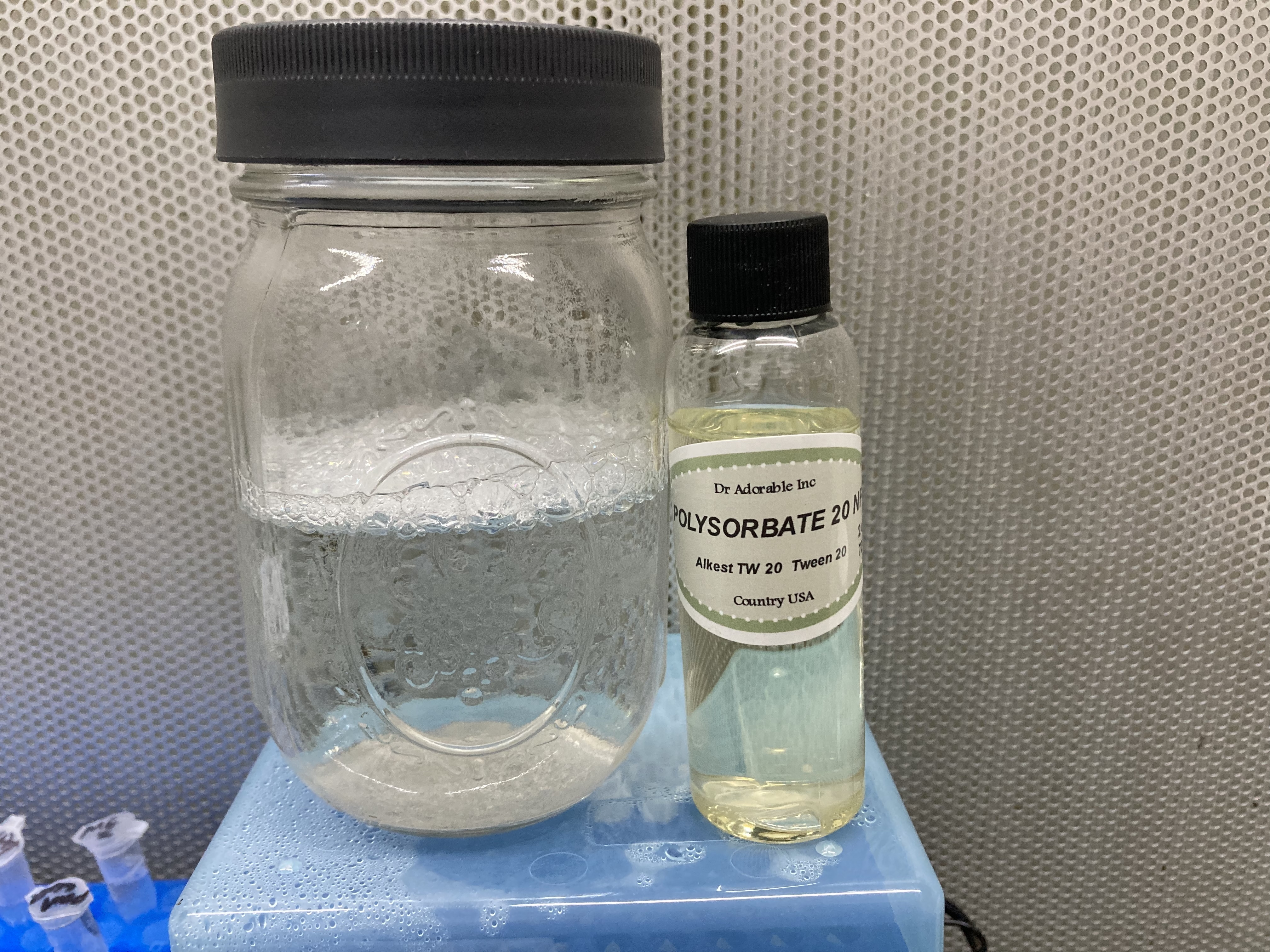
- Tween 20 (surfactant used in cosmetics and microbiology) very cheap and easily found - also called Polysorbate 20
- 1.5 ml microcentrifuge tubes and rack
- Micropipette and tips
- A couple mason jars with lids

Steps:
1. Take a jar, fill with water, and add a very small amount of Tween 20 (I added a single drop to this jar)


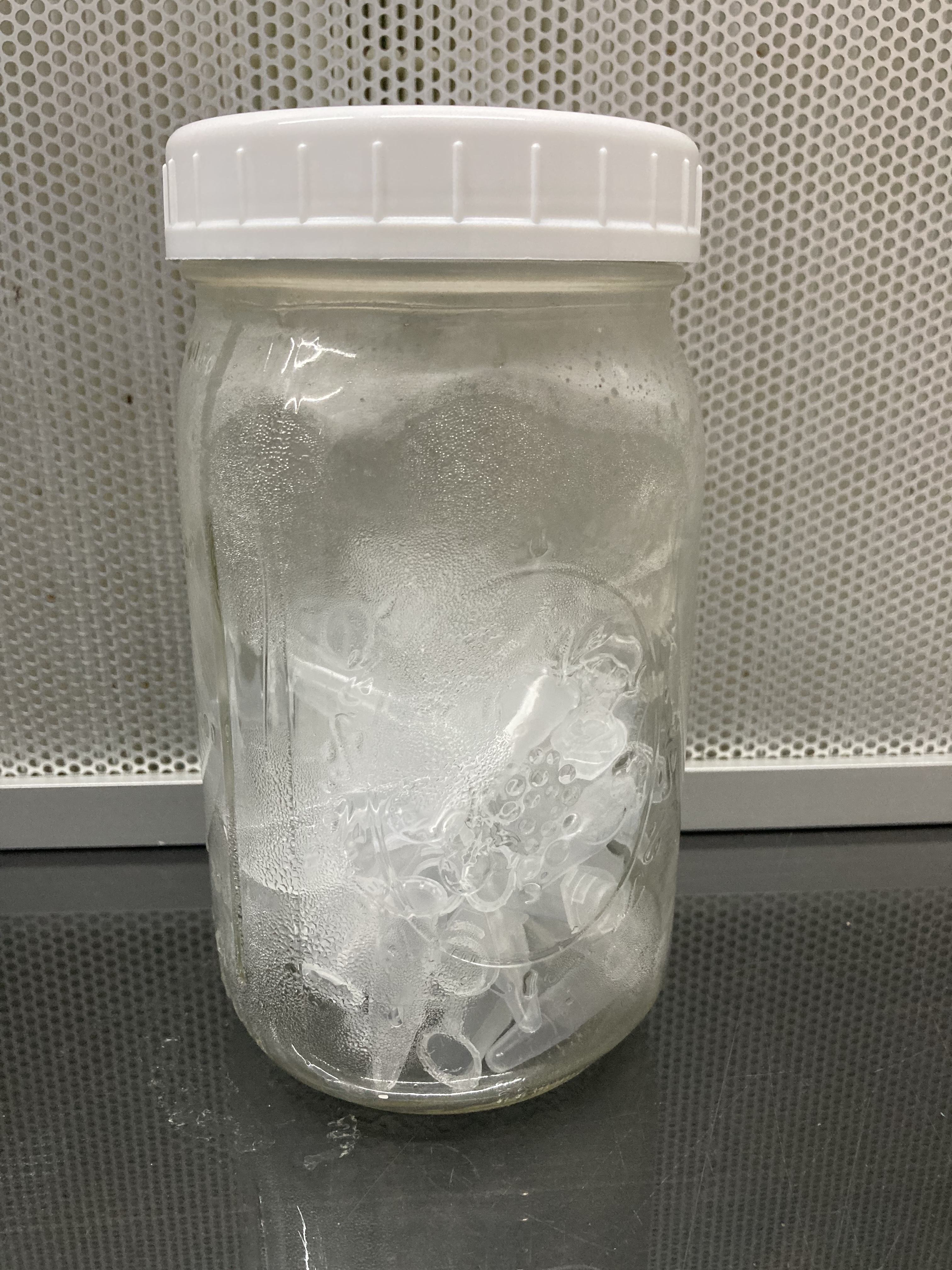
2. Fill a jar with microcentrifuge tubes


3. Sterilize Tween 20 solution, micro centrifuge tubes, and pipette tips for 30 minutes at 15 psi


4. Once everything is cooled down, set up in aseptic conditions

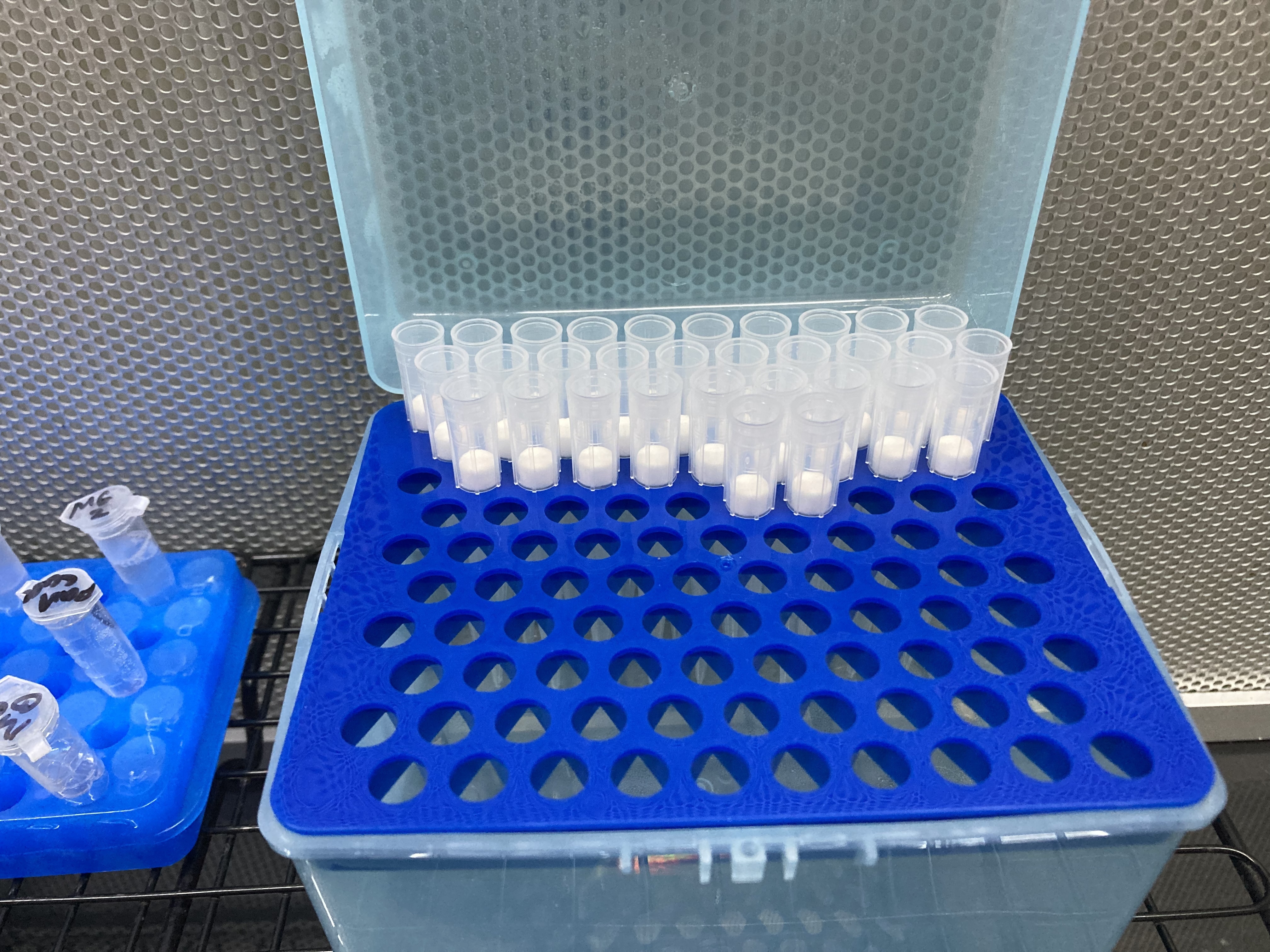
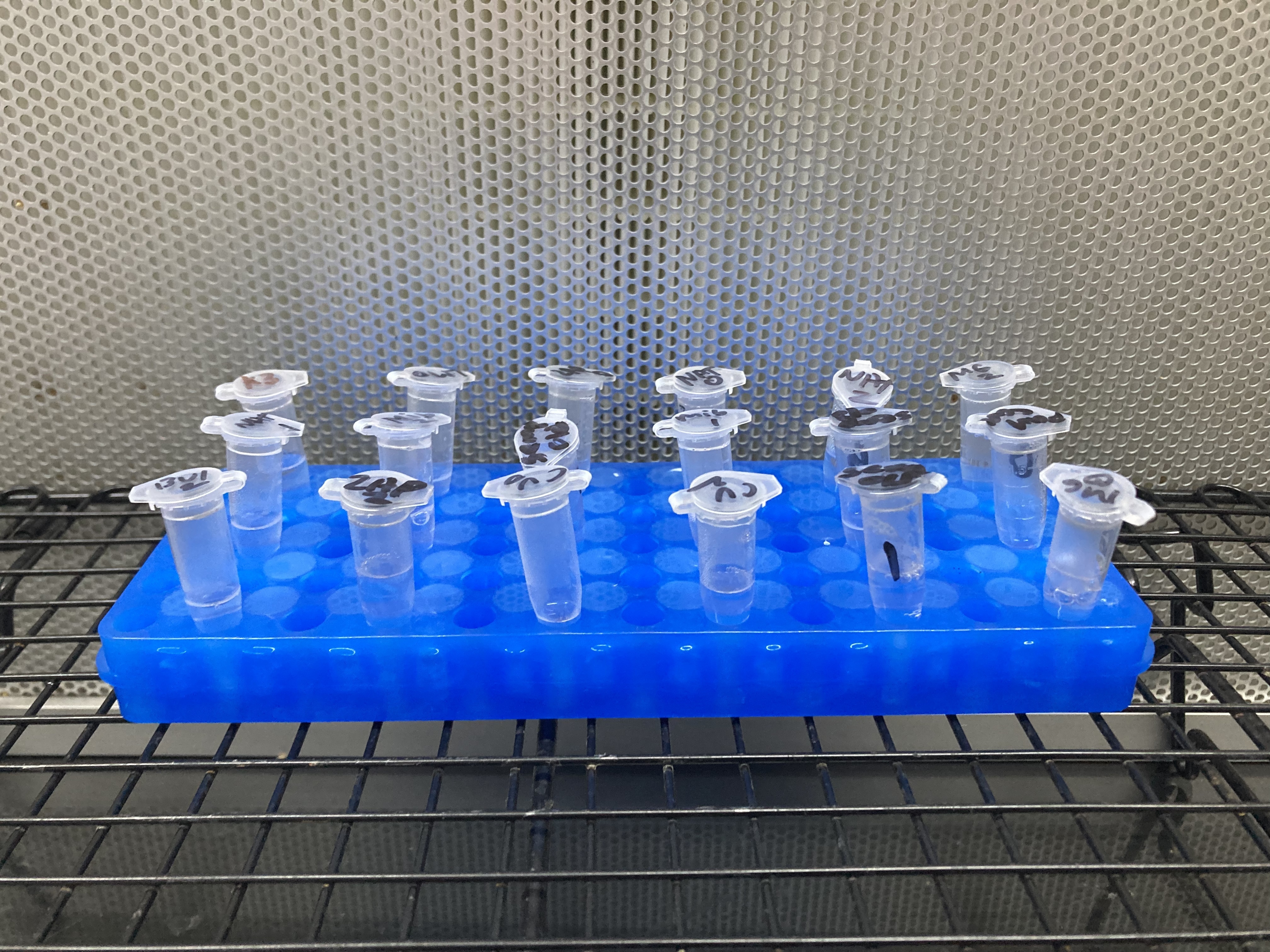
5. Set up your centrifuge tube rack and load up some tubes like this

Each column of 3 is going to be for one variety

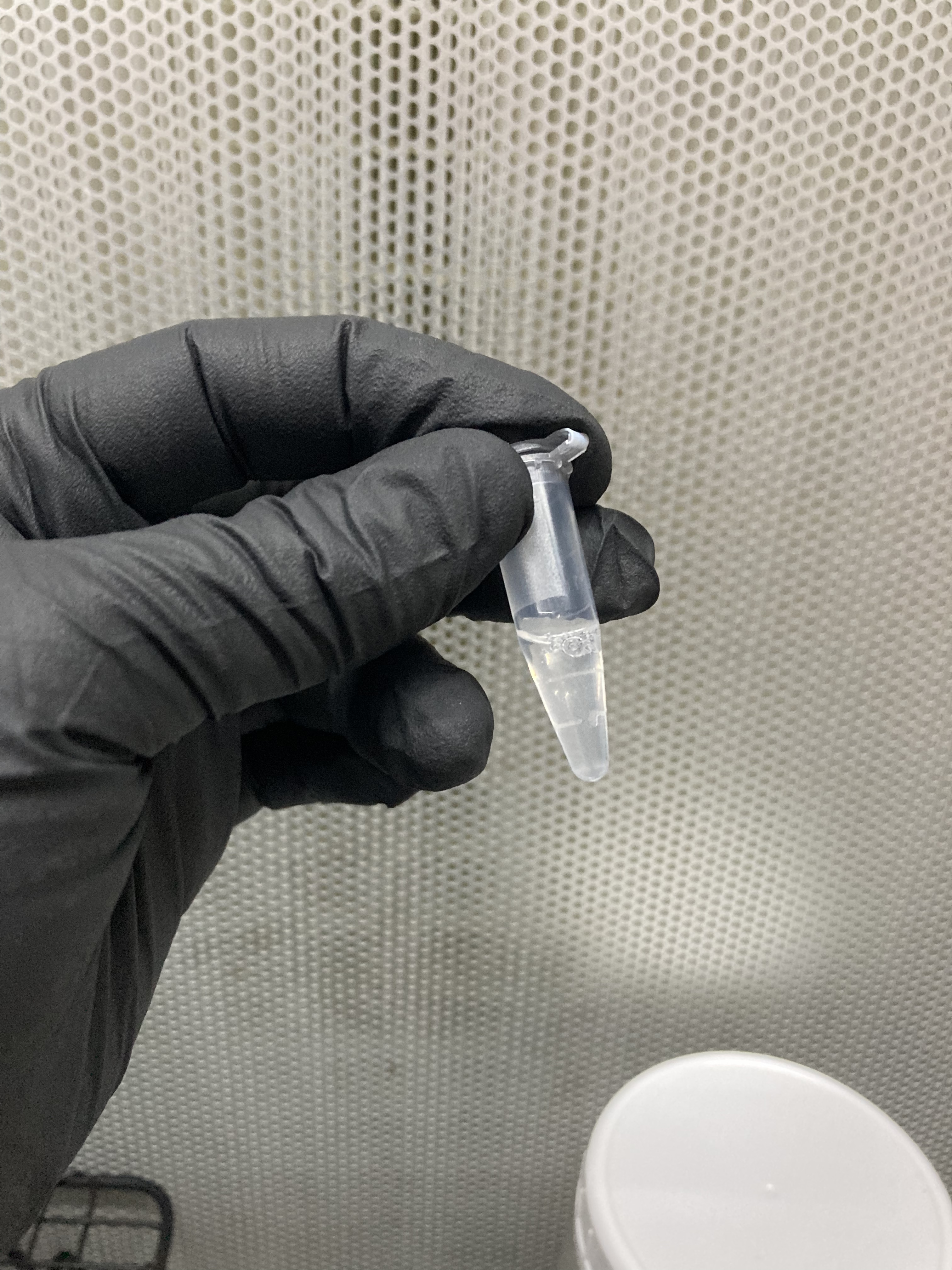
6. Open up the tubes and using the pipette, add 1000 ul of tween solution into the first tube, and 900 ul into the other 2 tubes behind it.

7. Add spores to first tube with 1000 ul of tween solution. Obviously there's many ways to add spores, but I have a feeling y'all can figure that part out. No need to add a lot, a little is just fine.

8. Shake that tube like you're shaking a baby. If you think you've shaken it enough, do it again. This helps break up spore clumps and ensures an even distribution of spores throughout the solution.

9. Add 100 ul of the spore solution to the 2nd tube and once again shake the ever loving shit out of it.

10. Add 100 ul of the 2nd tube to the 3rd tube and once again, get shakin!

11. Now you have a 100x diluted spore solution. Many people like to dilute it one more time to get to 1000x, but I have found 100x to be good enough. However, spore density varies widely so you might have to play around with finding the right dilution rate

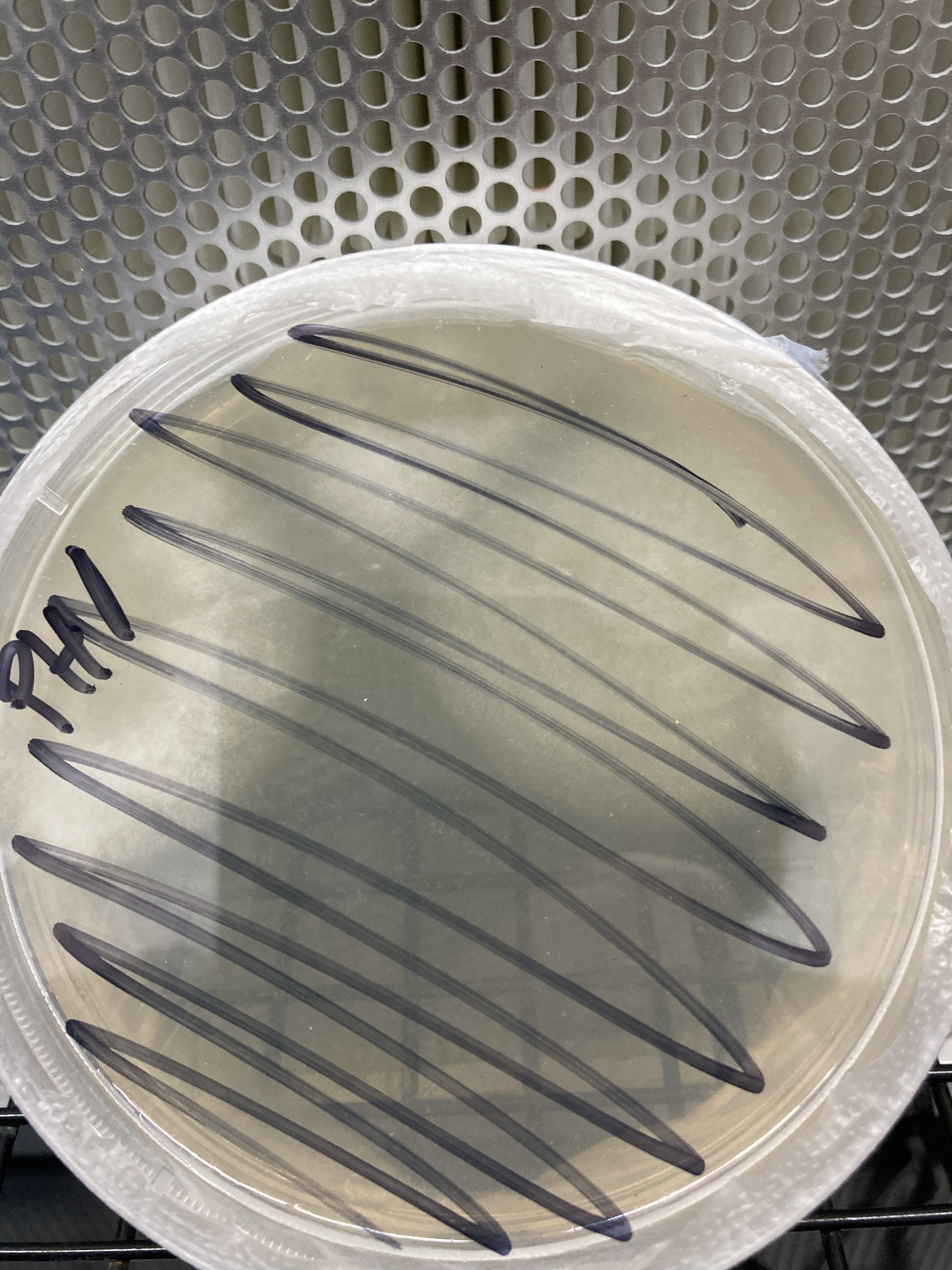
12. I then like to add one drop of each tube to separate agar plates. I then use a sterilized tool (scalpel, loop, spreader, etc) to spread the solution throughout the whole plate. Keep track of where you originally dropped the solution, because that is where most of the spores will be. Label all the plates to help know what dilution rate works best for whatever you're growing.

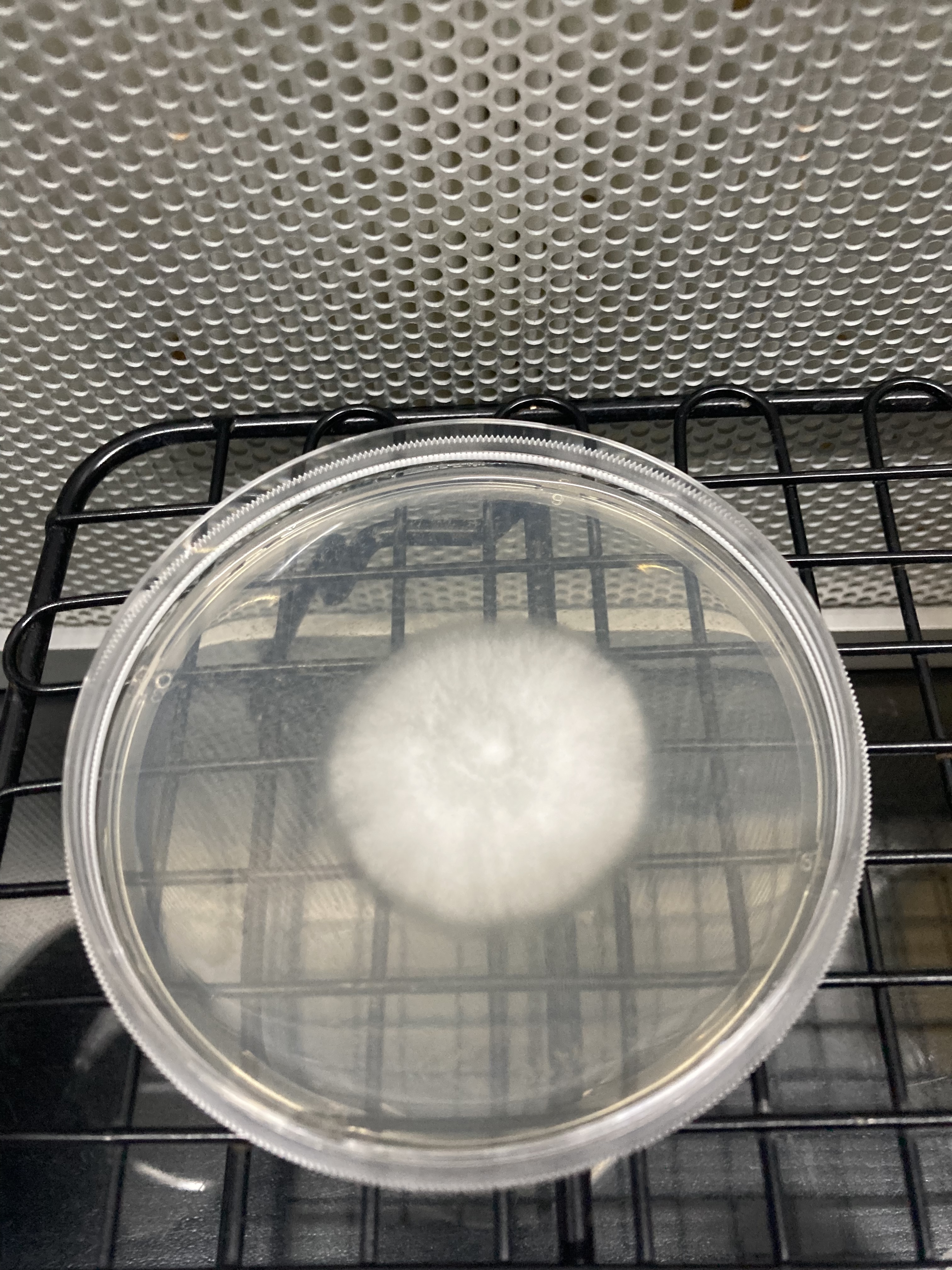
Here's a plate that I found a few monos from but then took this pic a few days after. I'm assuming most of those colonies are now dikaryotic but there's how I like to spread the solution around

13. Pay diligent attention to your plates over the next few days. At the first signs of any germination, gently transfer those over to fresh plates. Be very careful and surgical when transferring as you're trying to remove the smallest piece you can. A dissecting microscope is incredibly helpful for identifying germinated spores


14. Once transferred, let it grow a few days and assess growth patterns. Tomentose and uniform are signs of monokaryotic growth, however, it is impossible to verify monos without a microscope.

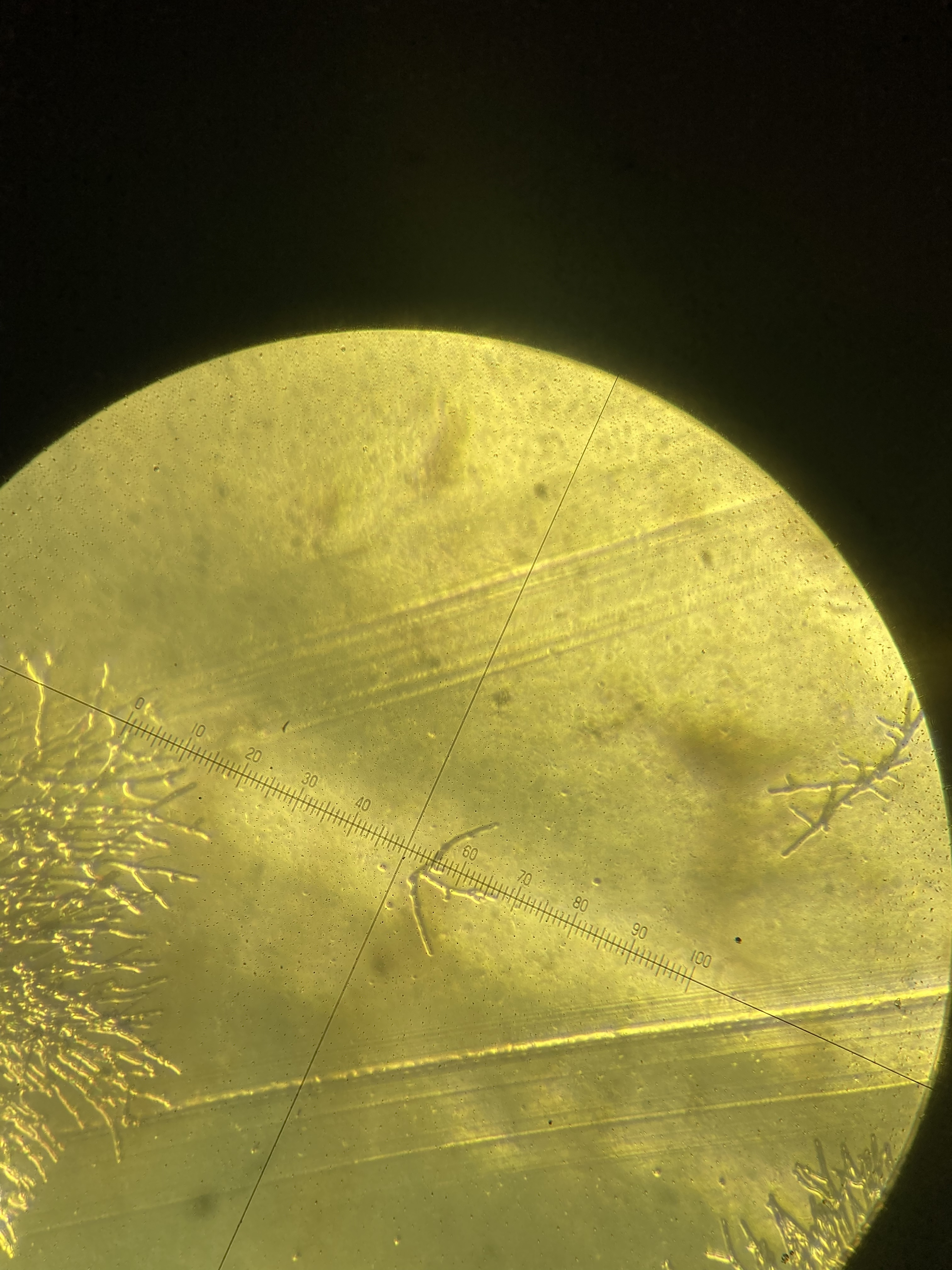
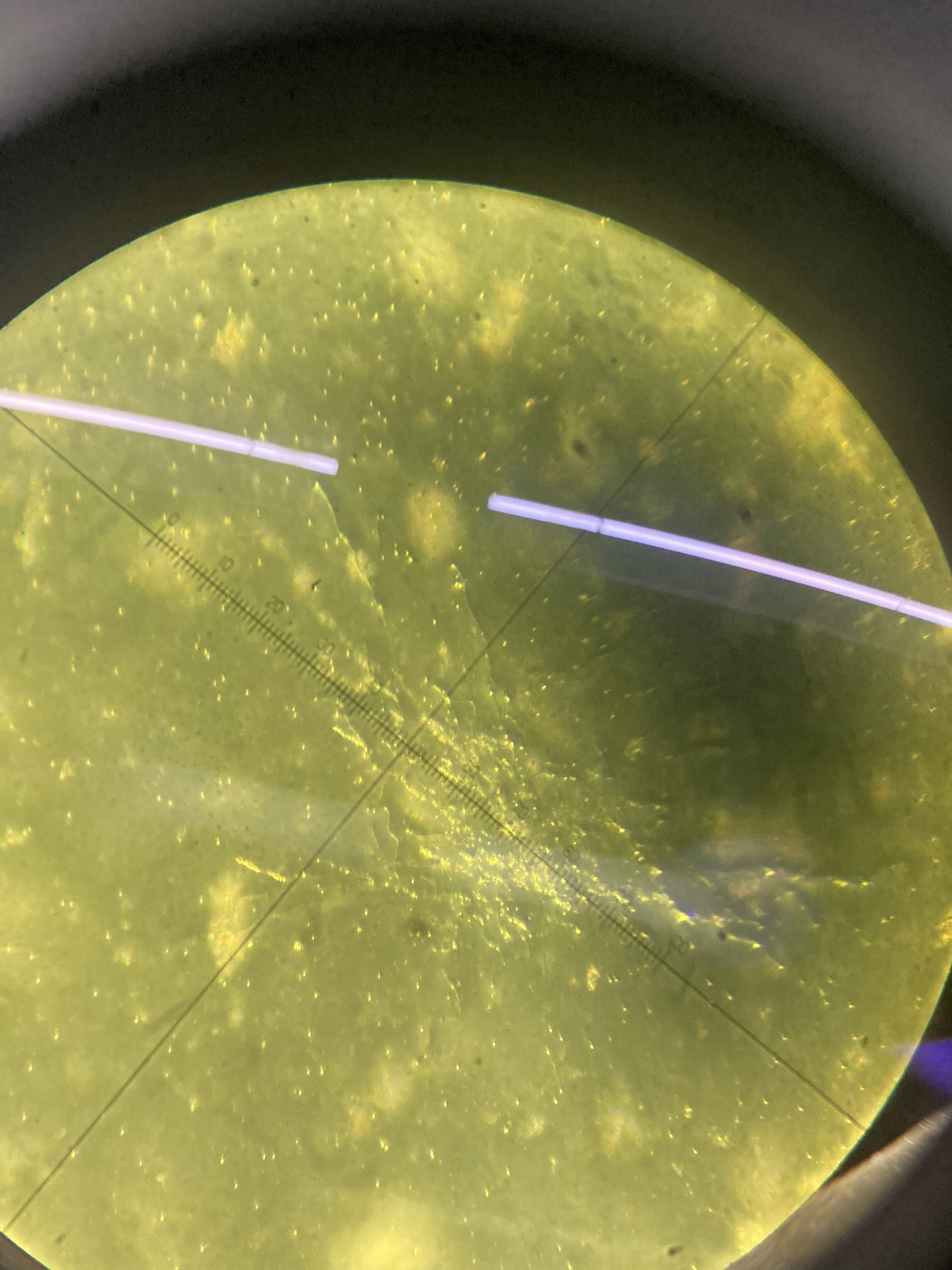
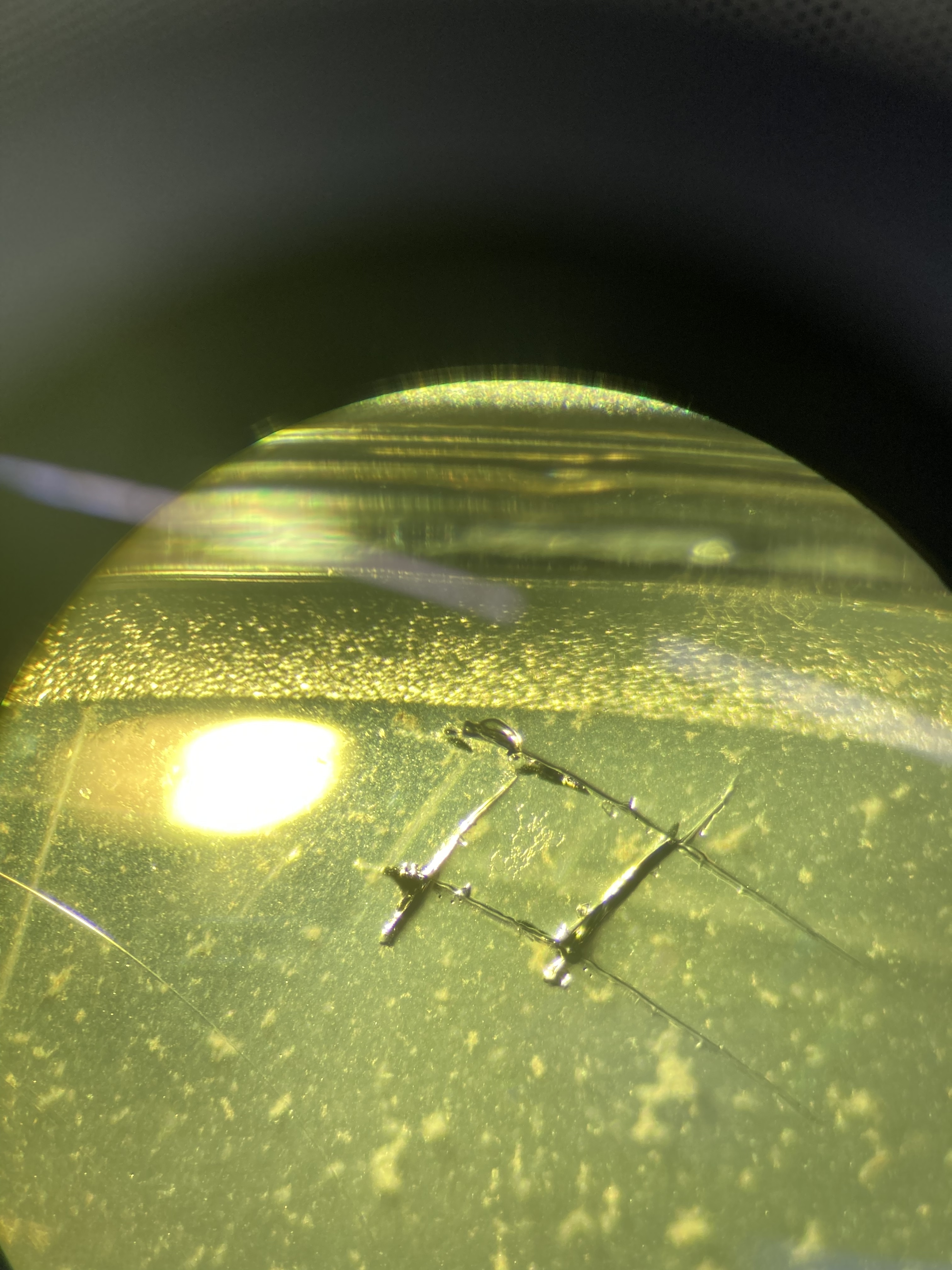
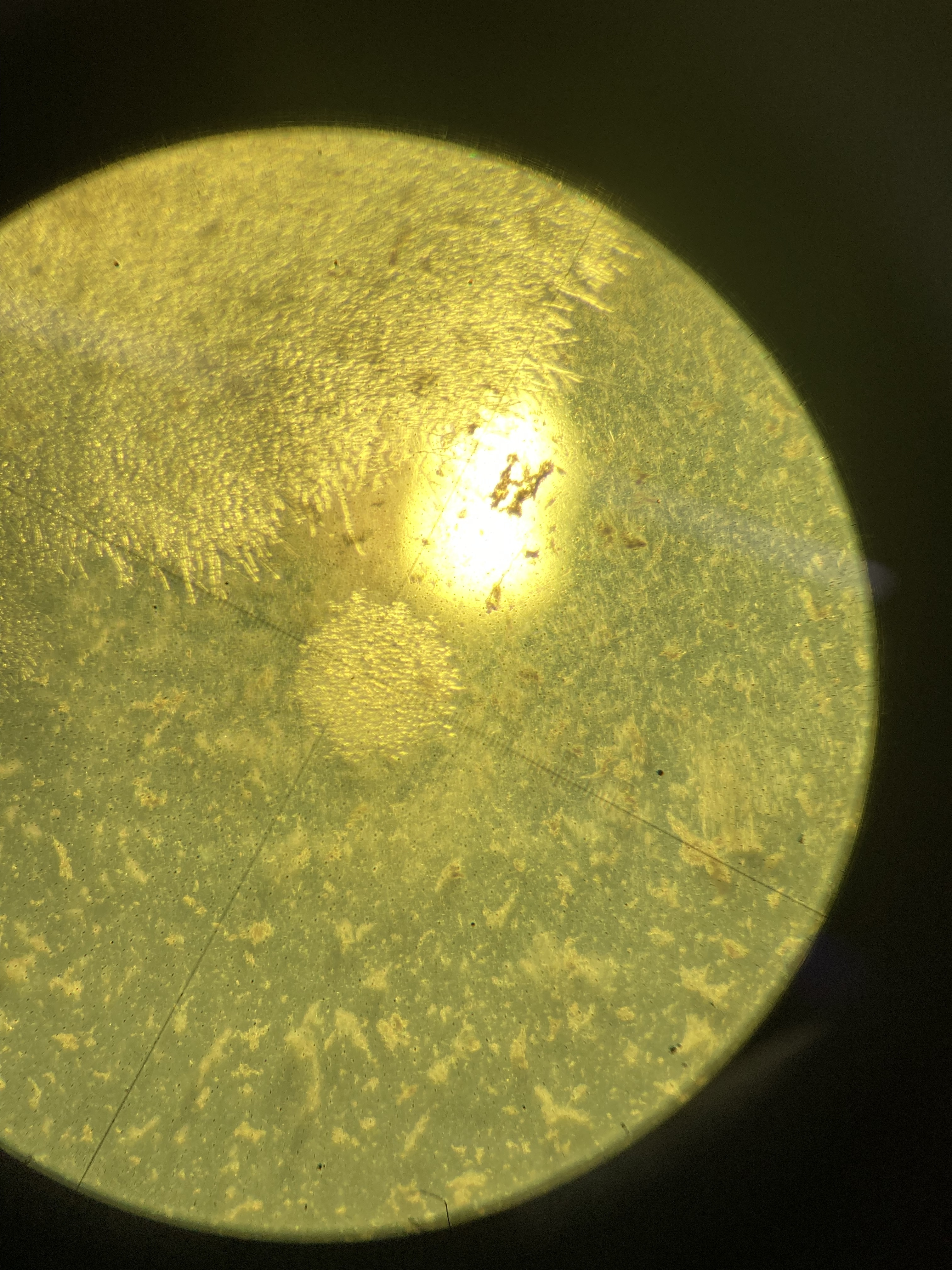
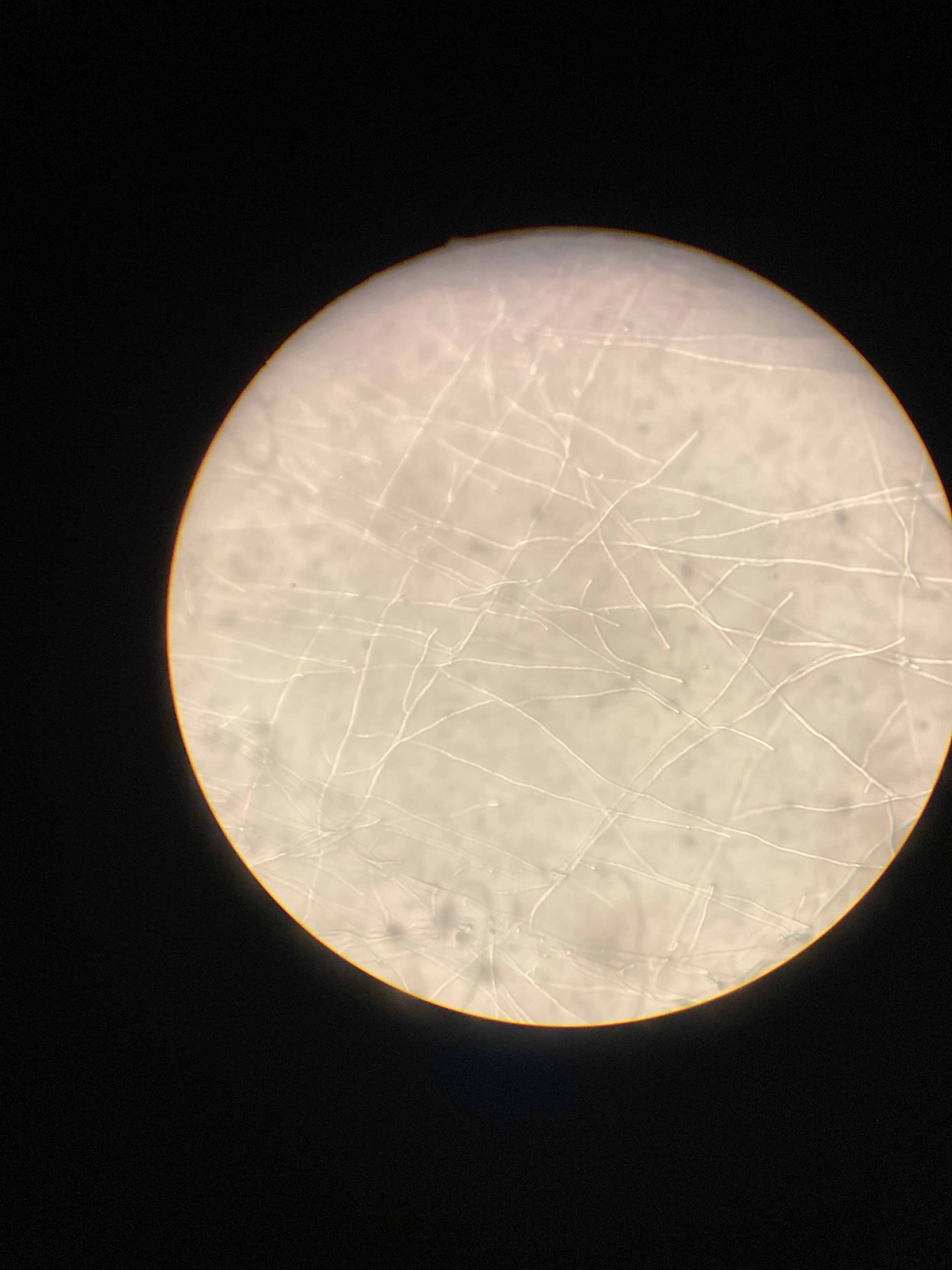
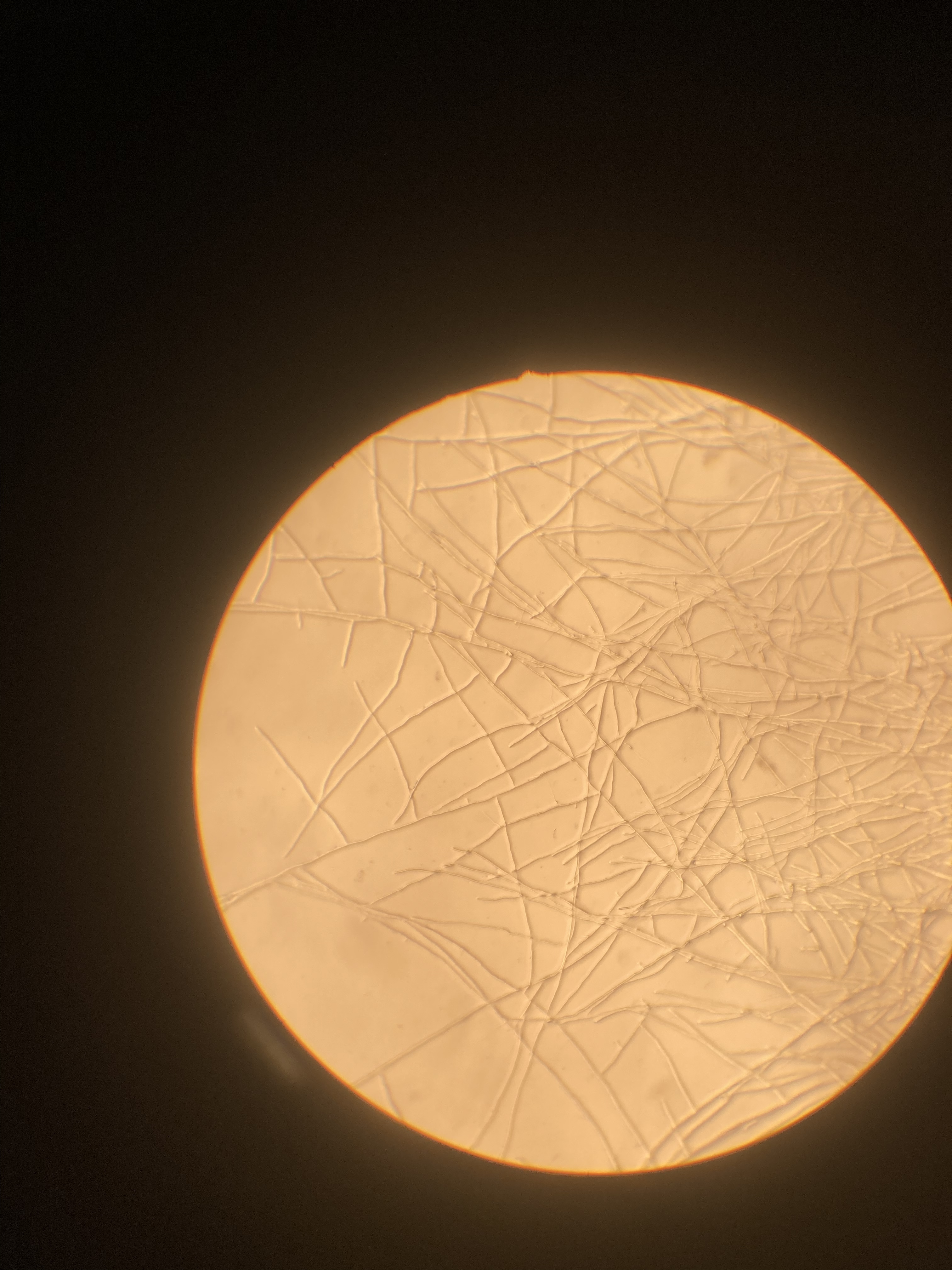
Here are some microscopy photos of monokaryons lacking clamp connections


Always verify and reverify your potential monos, but once you feel confident, go ahead and start breeding. I'll be adding some more info about breeding, crossing, and generally what to do with monos once you get them, but here's a start! Now get out there are start grabbing monos!!

(Also, go check out the marketplace right now cause I'm giving away a couple of these monos!!!)

Edited by mind.at.large (03/22/24 10:55 PM)

Extras: Filter Print Post Top
Re: Isolating Single Spore Monokaryons [Re: mind.at.large]
    #28710920 -

Very nice!

With Bisporus I think this would make isolates, right?


--------------------
And if I only could
I'd make a deal with God
And I'd get him to swap our places
I'd be running up that road
Be running up that hill
With no problems

Extras: Filter Print Post Top
Re: Isolating Single Spore Monokaryons [Re: tree frog]
    #28711139 -

"Shake it like a baby"

:laugh2:

What are some differences in growth, without microscope, between  mono / di,  Or none and a scope is the only way (confirmation aside)

Extras: Filter Print Post Top
Re: Isolating Single Spore Monokaryons [Re: LewDoja]
    #28711281 -

Excellent write up! My method is very much like this.
:highfive:
I've been sneaking in mention of Tween 20 around here for a while now with little reaction but this will certainly grab some attention. :lol:

Good to see you back mind.

Extras: Filter Print Post Top
Re: Isolating Single Spore Monokaryons [Re: LewDoja]
    #28713108 -

the_chosen_one said:
Excellent write up! My method is very much like this.
:highfive:
I've been sneaking in mention of Tween 20 around here for a while now with little reaction but this will certainly grab some attention. :lol:

Good to see you back mind.


What’s up dude!!! Yeah it’s interesting how easy it seems to isolate monos when adding a surfactant like tween. Like it’s super easy haha

LewDoja said:
"Shake it like a baby"

:laugh2:

What are some differences in growth, without microscope, between  mono / di,  Or none and a scope is the only way (confirmation aside)


:shakeface:

Hehe the main differences between mono and di growth characteristics is tomentose vs rhizo growth. Now I have plenty of di cultures that grow tomentose but I’ve noticed a difference in the edge of the growth. Di seems to be more linear (it’s all going the same direction) while mono looks to be more scattered. It branches a lot more and totally looks like mold. I’ll post some pics up later comparing the difference


--------------------
Mind's Easy Bag 2 Bag Grain Transfers


Endless Sub Tek


...the doll's trying to kill me and the toaster's been laughing at me...

Extras: Filter Print Post Top
Re: Isolating Single Spore Monokaryons [Re: mind.at.large]
    #28713131 -

Great write up!

Extras: Filter Print Post Top
Re: Isolating Single Spore Monokaryons [Re: fahtster]
    #28713166 -

:takingnotes:

Extras: Filter Print Post Top
Re: Isolating Single Spore Monokaryons [Re: Pluviophile]
    #28713189 -

:camping:


--------------------
All I need are some tasty waves, a cool buzz, and I’m fine.

Whatever you decide won’t really impact our survival
Close your eyes, and do the best that you can


Extras: Filter Print Post Top
Re: Isolating Single Spore Monokaryons [Re: Camera93]
    #28720401 -

beautiful write up!

Extras: Filter Print Post Top
Re: Isolating Single Spore Monokaryons [Re: LewDoja] * 2
    #28721238 -

LewDoja said:
"Shake it like a baby"

:laugh2:

What are some differences in growth, without microscope, between  mono / di,  Or none and a scope is the only way (confirmation aside)


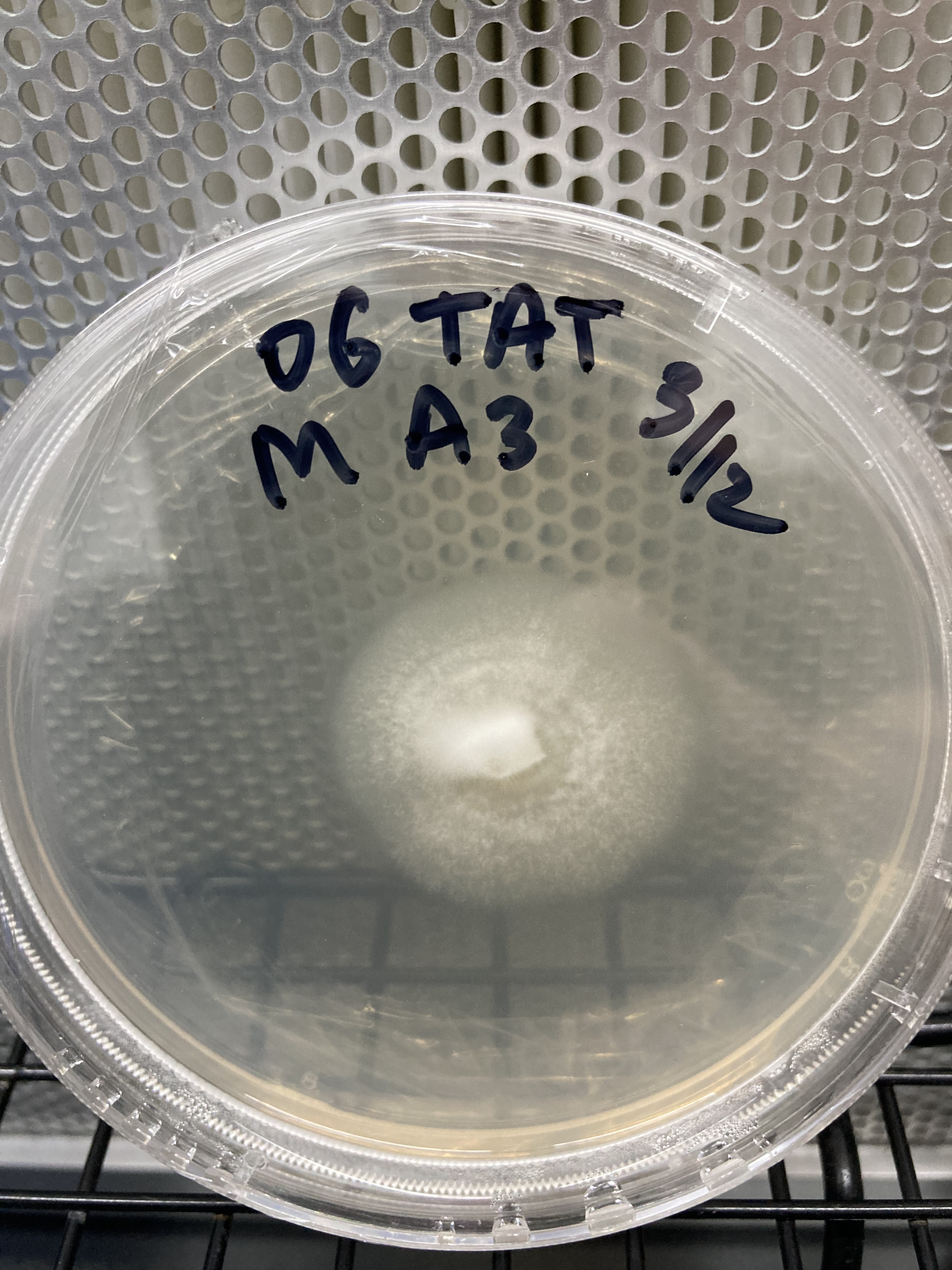
Hey dude here’s a good pic of dikaryotic mycelium vs mono on the same plate.


You can probably tell but the left more rhizo one is di and the right is mono


--------------------
Mind's Easy Bag 2 Bag Grain Transfers


Endless Sub Tek


...the doll's trying to kill me and the toaster's been laughing at me...

Edited by mind.at.large (03/31/24 10:36 AM)

Extras: Filter Print Post Top
Re: Isolating Single Spore Monokaryons [Re: mind.at.large]
    #28721275 -

Nice job, serial dilution ftw:rockon:

Funny how monos look similar to mold.

Extras: Filter Print Post Top
Re: Isolating Single Spore Monokaryons [Re: Stipe-n Cap]
    #28721361 -

Thanks dude!

Yeah it looks very very similar haha there was a bunch of plates I made that I for sure thought were all good until they all turned green haha it was a bad swab


--------------------
Mind's Easy Bag 2 Bag Grain Transfers


Endless Sub Tek


...the doll's trying to kill me and the toaster's been laughing at me...

Extras: Filter Print Post Top
Re: Isolating Single Spore Monokaryons [Re: mind.at.large]
    #28721537 -

mind.at.large said:
LewDoja said:
"Shake it like a baby"

:laugh2:

What are some differences in growth, without microscope, between  mono / di,  Or none and a scope is the only way (confirmation aside)


Hey dude here’s a good pic of dikaryotic mycelium vs mono on the same plate.


You can probably tell but the left more rhizo one is di and the right is mono


Hey thanks for the picture and that's is exactly what I was thinking  of... good to be reassured and not just propagating a bunch mold.

Extras: Filter Print Post Top
Re: Isolating Single Spore Monokaryons [Re: LewDoja] * 1
    #28750585 -

So if you have 2 separate samples of Monokaryons  and you let them meet on an agar is this achieving crossbreeding? Or is this more complex than this.

I understand that "strains" are actually phenotypes that have been stabilized and are more like races than strains (Thanks to reading all of RR's old threads). But how would I isolate certain phenotypes of say APE and another from J.M.F and cross breed them using this method?

I have a friend who works at a Uni teaching Genetics and has his P.H.D in Genetics, might be time to open up to him about my hobby and start asking questions or for some help.

Extras: Filter Print Post Top
Re: Isolating Single Spore Monokaryons [Re: mind.at.large]
    #29066745 -

That's a great writeup! Very inspiring. Thank you for sharing the knowledge.

Extras: Filter Print Post Top
Re: Isolating Single Spore Monokaryons [Re: Bra]
    #29066770 -

Good stuff. Thank you.

Extras: Filter Print Post Top
Re: Isolating Single Spore Monokaryons [Re: mind.at.large]
    #29321854 -

Tween 20 is reportedly heat-sensitive so it is not recommended to autoclave it. I made a 2% solution with distilled water and then sterilized it using a 0.22 μm syringe filter. I add 0.05 mL (one pasteur pipette drop) per 10 mL of spore solution.


--------------------
Protoplast Fusion


Extras: Filter Print Post Top
Jump to top Pages: 1

Shop: Unfolding Nature Unfolding Nature: Being in the Implicate Order   Sporeworks.EU Spores for European Microscopy   MagicBag.co All-In-One Bags That Don't Suck   Mushroom-Hut Liquid Cultures   Original Sensible Seeds Bulk Cannabis Seeds   North Spore Cultivation Supplies   Myyco.com APE Liquid Culture For Sale


Similar ThreadsPosterViewsRepliesLast post
* Isolate a single spore? wizard2k 1,103 3 05/14/04 11:25 AM
by wizard2k
* monokaryotic mycelium carbonhoots 2,201 4 06/29/26 07:20 AM
by CoolBreeze06
* Re: legality of spore producing Anonymous 2,085 14 01/05/00 09:07 PM
by Anonymous
* Isolate A mushroom SmellMyFinger 1,353 8 03/20/04 03:42 PM
by Anonymous
* Temperature to keep spores? yeehaw 16,250 16 05/11/04 05:20 AM
by suboriginal
* more spores? lateralus 409 5 02/06/03 04:02 AM
by Anno
* making own spore syringes AzulAgave 2,211 11 12/26/01 01:24 PM
by _JJ_
* can spore prints be combined? shrooms777 3,306 7 05/20/04 10:37 AM
by Anonymous

Extra information
You cannot start new topics / You cannot reply to topics
HTML is disabled / BBCode is enabled
Moderator: Shroomism, george castanza, RogerRabbit, veggie, mushboy, fahtster, the_chosen_one, LogicaL Chaos, 13shrooms, hamloaf, cronicr, Stipe-n Cap, Pastywhyte, bodhisatta, Tormato, Land Trout, A.k.a
2,084 topic views. 8 members, 1,040 guests and 96 web crawlers are browsing this forum.
[ Show Images Only | Sort by Score | Print Topic ]
Search this thread:

Copyright 1997-2026 Mind Media. Some rights reserved.

Generated in 0.033 seconds spending 0.01 seconds on 16 queries.