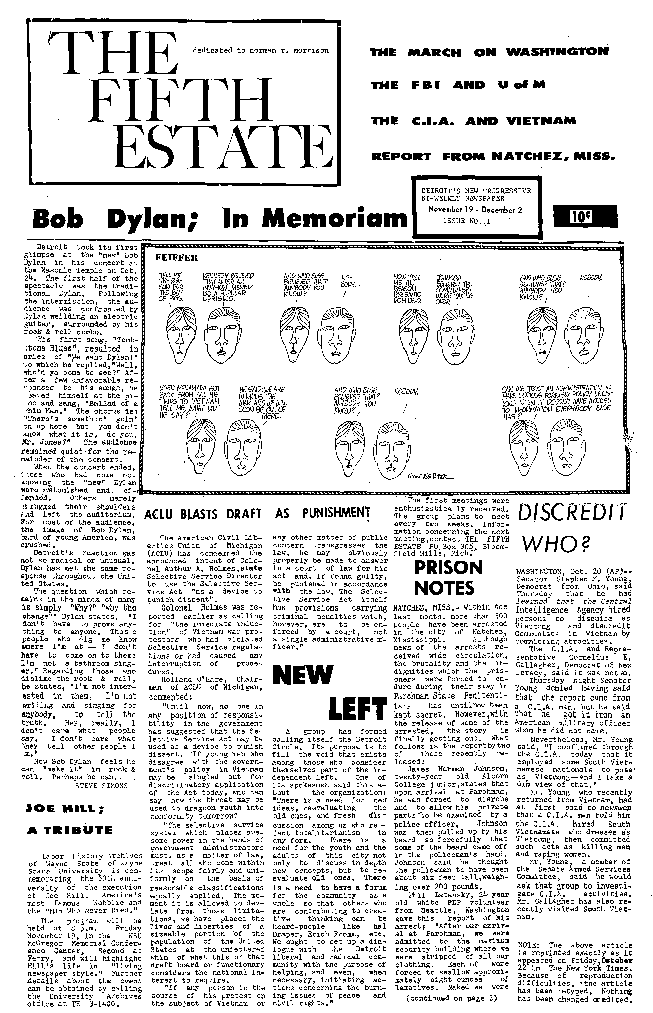
- 1965: The first issue of The Fifth Estate is published
Quote:
Fifth Estate (FE) is a US periodical, based in Detroit, Michigan begun in 1965, but with staff members across North America who connect via the Internet. Its editorial collective sometimes has divergent views on the topics the magazine addresses but generally shares anarchist, anti-authoritarian outlook and a non-dogmatic, action-oriented approach to change. The title implies that the periodical is an alternative to the fourth estate (traditional print journalism).
Fifth Estate is frequently cited as the longest running English language anarchist publication in North America, although this is sometimes disputed since it became only explicitly anti-authoritarian in 1975 after ten years of publishing as part of the 1960s Underground Press movement. The archives for the Fifth Estate are held at the Labadie Collection in Ann Arbor, Michigan.
History
Origin
Fifth Estate was started by Harvey Ovshinsky, a seventeen-year-old youth from Detroit. He was inspired by a summer trip to California where he worked on The Los Angeles Free Press, the first underground paper in the US. The name came from The Fifth Estate coffee house on the Sunset Strip, where the Free Press had its office in the basement.
The first issue was published on November 19, 1965—"That's what we really are—the voice of the liberal element in Detroit," it said. It was produced on a typewriter and then reproduced by offset lithograph, in an 8-page tabloid newspaper format with two pages left blank. It featured a critical review of a Bob Dylan concert, a borrowed Jules Feiffer cartoon, alternative events listing and an announcement of a forthcoming anti-Vietnam War march. None of these things would have been included in contemporary newspapers.
In 1966 Ovshinsky moved the office from his parents' basement to a Cass Corridor storefront near Wayne State University. Here the paper was saved from extinction by the Detroit Committee to End the War in Vietnam, John Sinclair's Artist Workshop, and other radicals, with Sinclair signing on as the paper's first music editor. Later in 1966 the paper moved to Plum Street where they also established a bookshop. Fifth Estate thrived in the late sixties, a period when over 500 underground papers emerged in the US. Thousands of copies were distributed locally with hundreds more being sent to GIs in Vietnam. Fifth Estate openly called on soldiers to mutiny. In 1967 the Fifth Estate offices were tear-gassed by the National Guard during the 12th Street riot. In this period the print run reached 15,000 – 20,000 copies, publishing biweekly in a tabloid newspaper format of 20 to 32 pages, with local ads and listings.
The spirit of the paper during the first ten years of its existence was summed up in a Feb. 1, 1969 staff editorial:
"We believe that people who are serious in their criticism of this society and their desire to change it must involve themselves in serious revolutionary struggle. We do not believe that music is revolution. We do not believe that dope is revolution. We do not believe that poetry is revolution. We see these as part of a burgeoning revolutionary culture. They cannot replace political struggle as the main means by which the capitalist system will be destroyed. The Man will not allow his social and economic order to be taken from him by Marshall amps and clashing cymbals. Ask the Cubans, the Vietnamese or urban American blacks what lengths the system is willing to go to, to preserve itself."
(https://en.wikipedia.org)
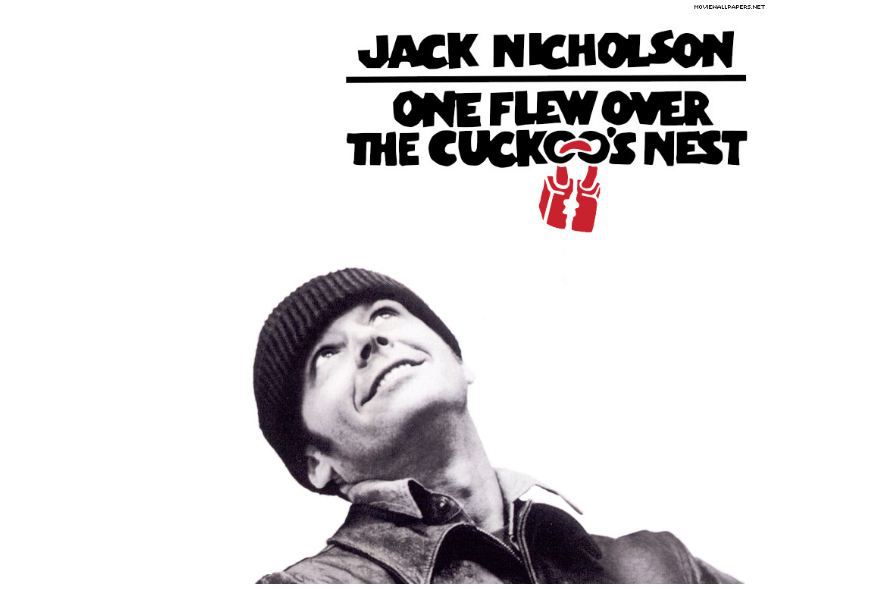
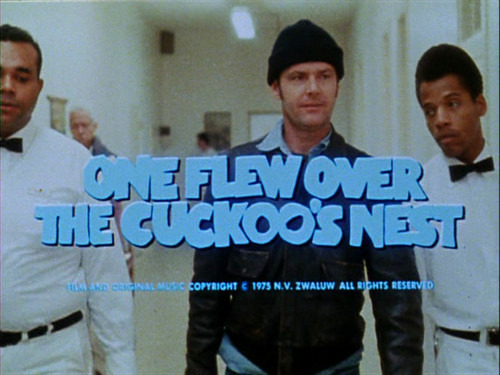
- 1975: The film One Flew Over The Cuckoo's Nest is released
Quote:
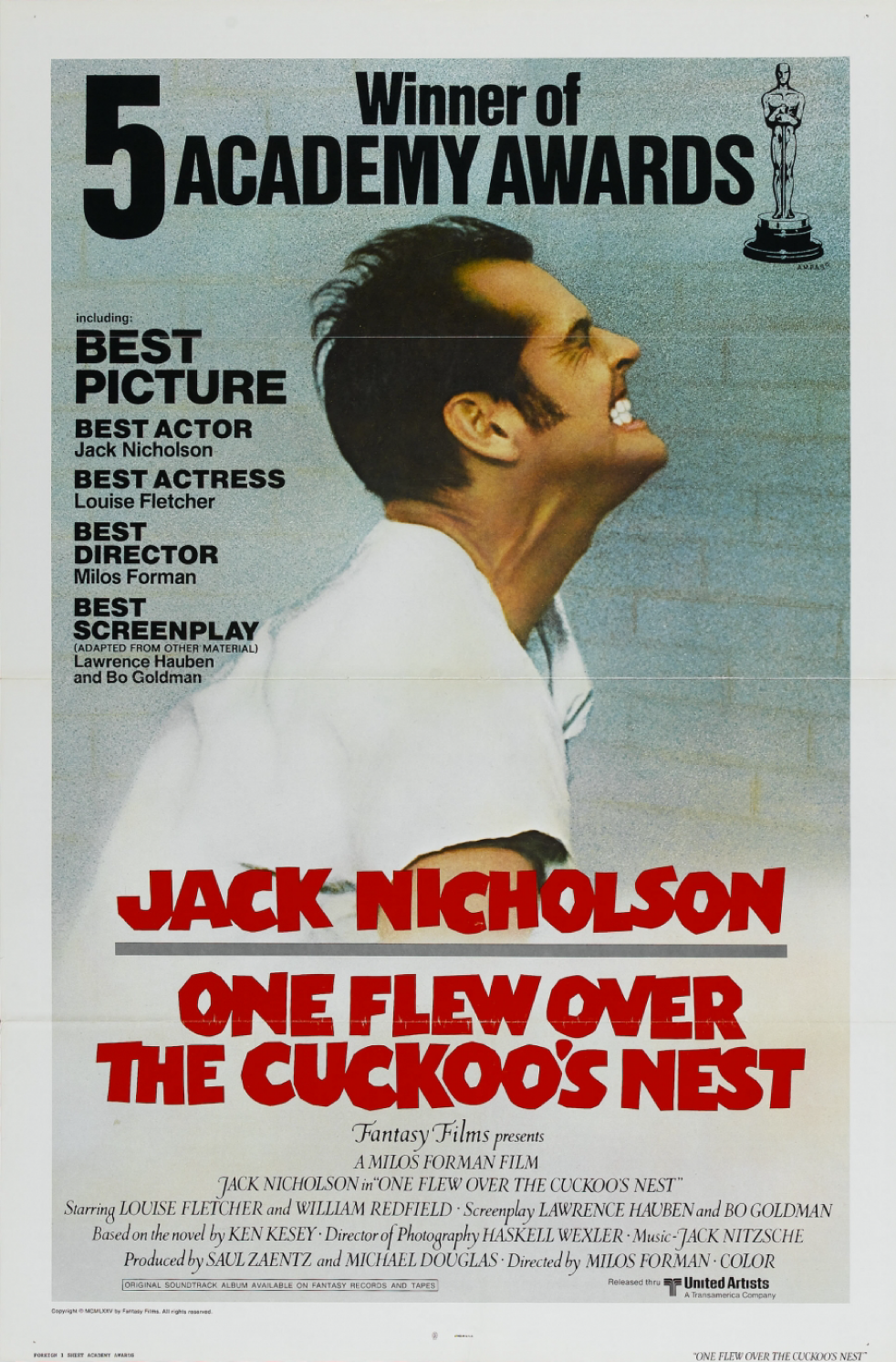
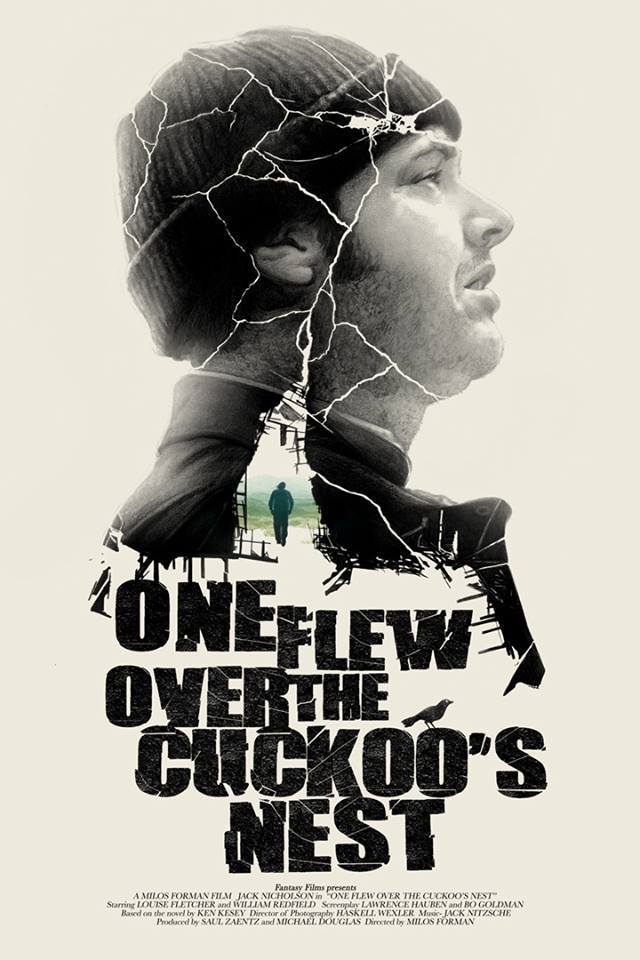
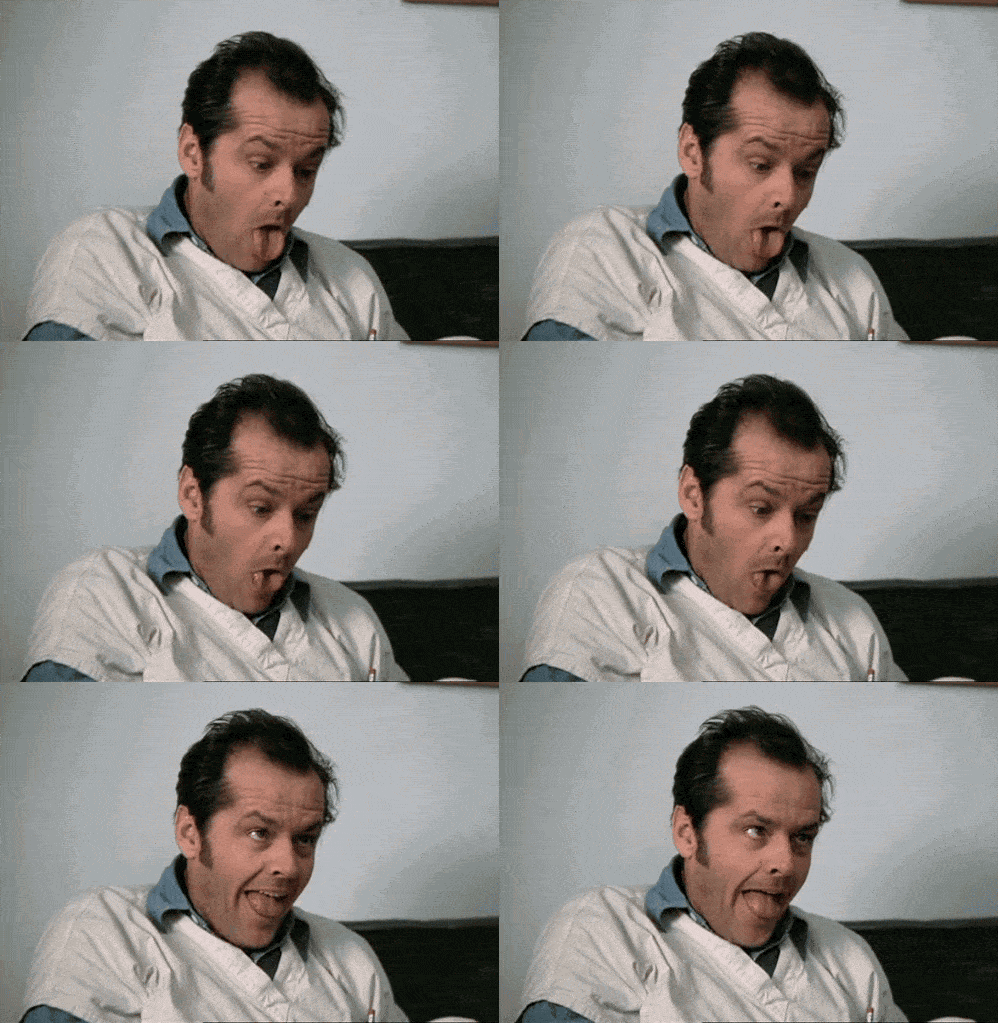
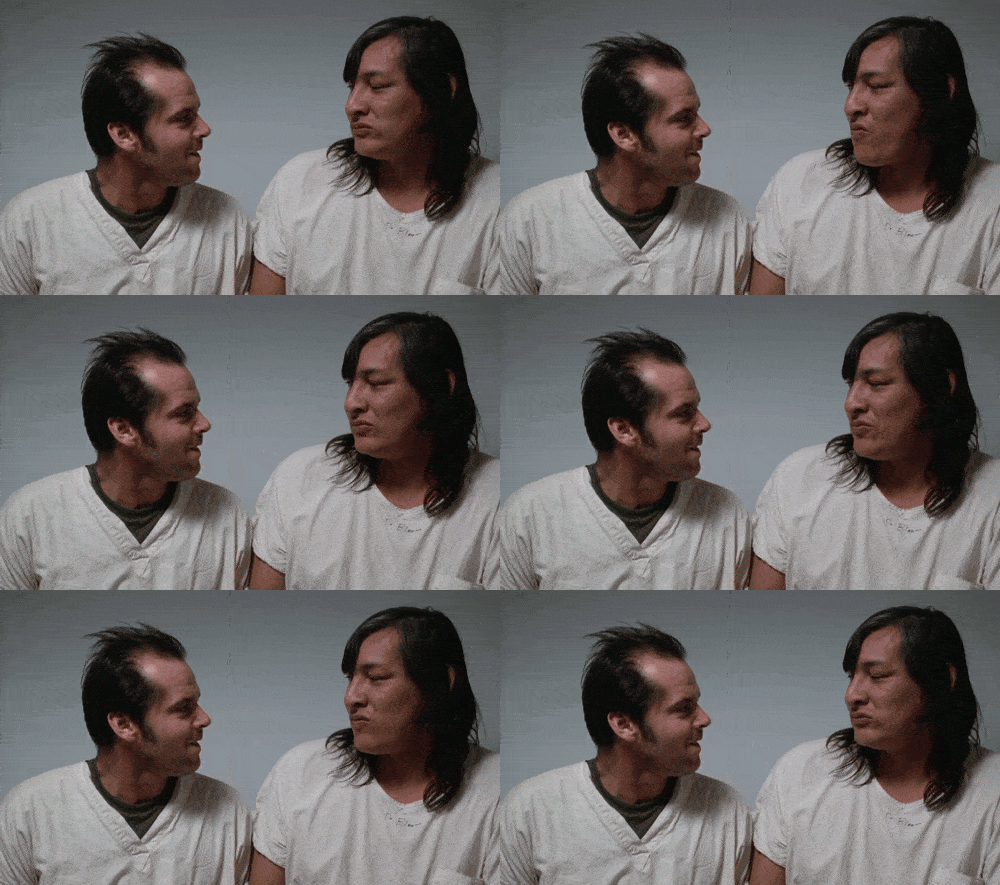
One Flew Over the Cuckoo's Nest is a 1975 American drama film directed by Miloš Forman and based on the 1962 novel of the same name by Ken Kesey.
The film was the second to win all five major Academy Awards (Best Picture, Actor in Lead Role, Actress in Lead Role, Director, and Screenplay) following It Happened One Night in 1934, an accomplishment not repeated until 1991 by The Silence of the Lambs.
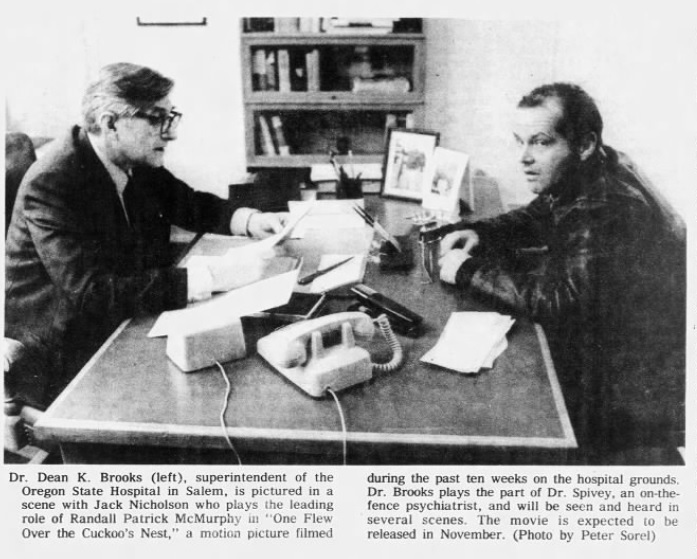
The film is #20 on the American Film Institute's 100 Years... 100 Movies list. It was shot at Oregon State Hospital in Salem, Oregon, which was also the setting of the novel.
Cast
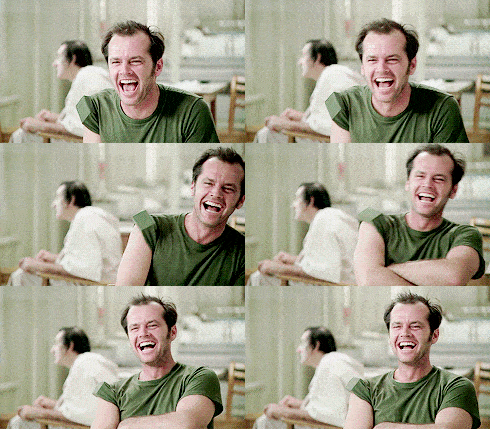
Jack Nicholson as Randle McMurphy
Louise Fletcher as Nurse Ratched
William Redfield as Dale Harding
Will Sampson as "Chief" Bromden
Brad Dourif as Billy Bibbit
Sydney Lassick as Charlie Cheswick
Danny DeVito as Martini
Christopher Lloyd as Max Taber
Dean R. Brooks as Dr. John Spivey
William Duell as Jim Sefelt
Vincent Schiavelli as Frederickson
Delos V. Smith as Scanlon
Michael Berryman as Ellis
Nathan George as Attendant Washington
Lan Fendors as Nurse Itsu
Mimi Sarkisian as Nurse Pilbow
Mews Small as Candy
Scatman Crothers as Orderly Turkle
Louisa Moritz as Rose
Reception
The film received generally positive reviews from critics. Roger Ebert claimed that "Miloš Forman's One Flew Over the Cuckoo's Nest is a film so good in so many of its parts that there's a temptation to forgive it when it goes wrong. But it does go wrong, insisting on making larger points than its story really should carry, so that at the end, the human qualities of the characters get lost in the significance of it all. And yet there are those moments of brilliance." Ebert would later put the film on his "Great Movies" list. A.D. Murphy of Variety wrote a mixed review as well, as did Vincent Canby: writing in The New York Times, Canby called the film "a comedy that can't quite support its tragic conclusion, which is too schematic to be honestly moving, but it is acted with such a sense of life that one responds to its demonstration of humanity if not to its programmed metaphors."
The film went on to win a total of five Academy Awards, including Best Actor for Jack Nicholson (who played McMurphy), Best Actress for Louise Fletcher (who played Nurse Ratched), Best Direction for Miloš Forman, Best Picture, and Best Adapted Screenplay for Laurence Hauben and Bo Goldman. The film currently has a 96% "Certified Fresh" rating at Rotten Tomatoes.
The film is considered to be one of the greatest American films. Ken Kesey participated in the early stages of script development, but withdrew after creative differences with the producers over casting and narrative point-of-view; ultimately he filed suit against the production and won a settlement. Kesey himself claimed never to have seen the movie, but said he disliked what he knew of it, a fact confirmed by Chuck Palahniuk who wrote, "The first time I heard this story, it was through the movie starring Jack Nicholson. A movie that Kesey once told me he disliked".
In 1993, this film was deemed "culturally, historically, or aesthetically significant" by the United States Library of Congress and selected for preservation in their National Film Registry.
The film was shown in Swedish cinemas for nearly 11 years – between early 1976 and winter of 1986/1987 – which is still a record. When Miloš Forman learned that, he said, "I'm absolutely thrilled by that... It's wonderful."
Directed by Miloš Forman
Produced by Saul Zaentz
Michael Douglas
Screenplay by Lawrence Hauben
Bo Goldman
Based on One Flew Over the Cuckoo's Nest by
Ken Kesey
Starring Jack Nicholson
Louise Fletcher
William Redfield
Brad Dourif
Danny DeVito
Christopher Lloyd
Music by Jack Nitzsche
Cinematography Haskell Wexler
Editing by Richard Chew
Sheldon Kahn
Lynzee Klingman
Distributed by United Artists
Release date(s) November 19, 1975
Running time 133 minutes
Country United States
Language English
Budget $4.4 million
Box office $108,981,275
(https://en.wikipedia.org)

--------------------
--------------------------------
Mp3 of the month: Wild Things- Another Colored Ink Drawing (A.C.I.D.)

Edited by Learyfan (11/18/20 05:07 AM)
|


 Threaded
 Previous
 Index
Index Next
Next Isolated Cubensis Liquid Culture For Sale
  Unfolding Nature: Being in the Implicate Order
 Learyfan


 vinsue


 Edit
Edit  Reply
Reply 


 I thought it came out earlier...
 . . .
. . . 


 ...
...  ...
... 







 Learyfan
 Brukan
 PrisonSong
 deryl
deryl
 eligal
 1 2 3 all )
 freddurgan
 kronnyQ
 buckwheat